


A productive workday starts long before you open your laptop. It starts with the chair that supports your back through hour eight of a meeting marathon, the desk that gives you room to spread out a project, and the storage that keeps clutter from creeping into your line of sight.
At LA Furniture Store, we work with home offices and corporate spaces every day, and we’ve seen firsthand how the right furniture changes the way people work.
In this blog, we will provide you a comprehensive guide on how to build a workspace that actually helps you get things done.
Start With the Chair
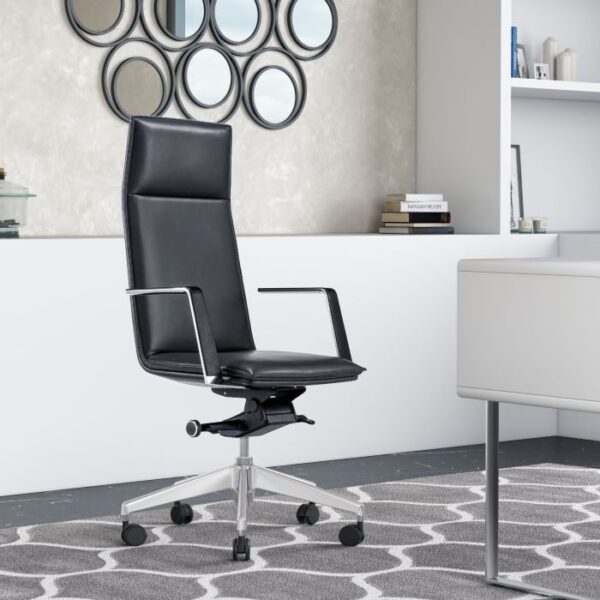
First thing first, of everything in an modern office, the chair has the biggest impact on how you feel at the end of the day. A good office chair supports the natural curve of your lower back, lets your feet rest flat on the floor, and keeps your arms at a comfortable angle for typing.
Look for adjustable seat height, lumbar support, and breathable upholstery, especially if you’re sitting for long stretches. Mesh-backed ergonomic chairs are popular for a reason: they keep you cool and flexible through long work sessions, while leather executive chairs offer a more traditional, polished look for client-facing offices.
Choose a Desk That Matches How You Work
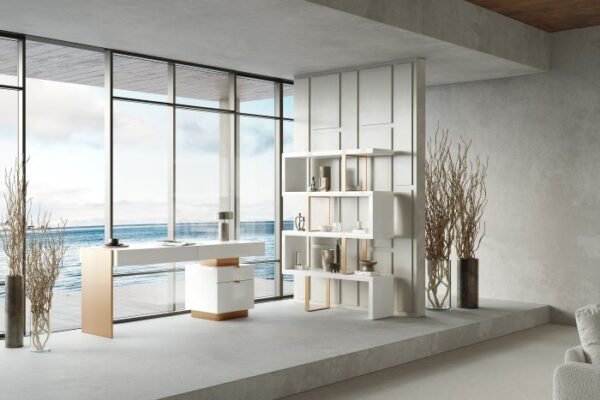
Next stop, desks aren’t one-size-fits-all. Someone who spreads out paperwork and multiple monitors needs a different footprint than someone working primarily from a laptop. A few options worth considering:
A standing desk or sit-stand converter gives you the flexibility to alternate positions throughout the day, which can reduce fatigue and improve circulation. An L-shaped desk is ideal for anyone juggling multiple screens or needing a dedicated space for writing and meetings.
A writing desk with clean lines works well in smaller home offices where space is at a premium, while executive desks with built-in storage suit leadership roles that need both surface area and a professional look.
Don’t Overlook Storage
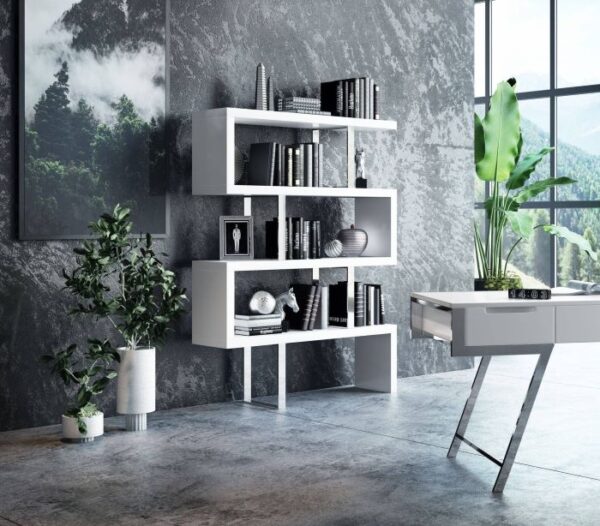
Clutter is one of the quietest productivity killers. Filing cabinets, credenzas, and bookcases keep documents and supplies organized and out of sight, which keeps your desk surface clear for actual work. A credenza behind your desk can double as both storage and a stylish backdrop for video calls, while a slim filing cabinet tucked under the desk keeps essentials within arm’s reach without eating up floor space.
Lighting and Layout Matter More Than You’d Think
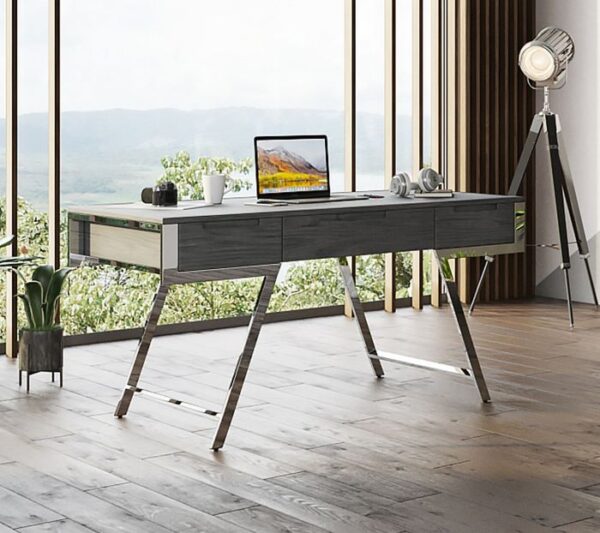
Furniture placement affects more than aesthetics. Position your desk near natural light when possible, and supplement with a task lamp for evening work or overcast days. Leave enough room to push your chair back fully and stand without bumping into shelving or cabinets. An open, breathable layout reduces the subtle stress of a cramped space and makes it easier to stay focused.
Bring in Comfortable Collaboration Spaces
If your office hosts meetings or collaborative sessions, consider a small conference table or a soft seating area with a couple of accent chairs. Comfortable, well-designed spaces for conversation tend to produce better meetings than people huddled around a desk.
Tie It Together With a Cohesive Style
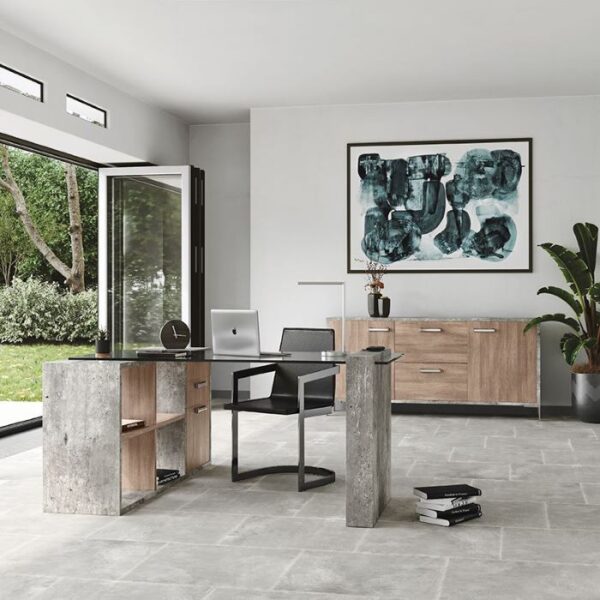
Productivity isn’t just physical comfort, it’s also about how a space makes you feel. A workspace with a consistent style, whether that’s modern minimalist, mid-century, or classic executive, creates a sense of calm and professionalism that can make the workday feel more intentional.
At LA Furniture Store, we offer a wide range of office collections so you can outfit an entire room with pieces that work together, from the desk down to the bookcase.
How to Choose the Best Office Furniture
With so many styles and price points available, narrowing down the right pieces can feel overwhelming. Keep these factors in mind as you shop:
- Measure your space first; Know your room’s dimensions, including doorways and walkways, before choosing a desk or storage piece so everything fits comfortably without crowding the room.
- Prioritize ergonomics: Choose a chair with adjustable height and lumbar support, and a desk height that keeps your elbows at roughly a 90-degree angle when typing.
- Think about how you actually work: A laptop-only setup needs less surface area than a multi-monitor workstation, and someone who meets with clients may need a desk with a more polished, executive look.
- Plan for storage early: Decide how much paperwork, equipment, or supplies you need to store before you buy, so you’re not retrofitting storage into a finished layout later.
- Match materials to your lifestyle: Leather and wood offer a classic, durable look, while mesh and laminate options are easier to maintain and often more budget-friendly.
- Stick to a cohesive style: Choose a design direction, whether modern, traditional, or industrial, and select pieces that share similar tones, finishes, or hardware for a pulled-together look.
- Don’t ignore mobility and flexibility: Furniture on casters or modular pieces makes it easier to rearrange your space as your needs change.
- Set a realistic budget: Decide which pieces are worth investing in, like your chair, and where it’s fine to save, so quality and cost stay balanced.
The best office furniture isn’t necessarily the most expensive or the most elaborate. It’s furniture that fits how you actually work: a chair that keeps you comfortable, a desk sized for your tasks, and storage that keeps your space clear. Investing in the right pieces pays off in fewer aches, less distraction, and a workspace you actually want to sit down in every morning.
Frequently Asked Questions
What is the most important piece of furniture for a productive home office?
Most experts agree the chair matters most. You can work at almost any desk, but an unsupportive chair leads to discomfort and fatigue that directly affects focus and output over a full workday.
How do I know if my office chair is ergonomic?
An ergonomic chair should have adjustable seat height, lumbar support that fits the curve of your lower back, and armrests positioned so your shoulders stay relaxed. Your feet should rest flat on the floor with your knees roughly level with your hips.
Is a standing desk worth it?
For many people, yes. Alternating between sitting and standing throughout the day can reduce back strain and improve energy levels. A sit-stand converter is a more budget-friendly way to try the benefits before committing to a full standing desk.
What size desk do I need for a small home office?
A compact writing desk, generally 40 to 48 inches wide, works well in smaller rooms. If you need room for a second monitor or paperwork, look for a desk in the 55 to 60 inch range or consider a corner-friendly L-shaped option.
How can I keep my desk organized without it looking cluttered?
Pair your desk with dedicated storage like a filing cabinet or credenza so paperwork and supplies have a home off the desktop. Keeping only your current task’s essentials on the surface makes a noticeable difference.
Does office furniture style actually affect productivity?
Yes, indirectly. A cohesive, well-designed space reduces visual clutter and creates a calmer environment, which can make it easier to settle into focused work and feel more confident during video calls or in-person meetings.
Where can I find quality office furniture in Los Angeles?
LA Furniture Store offers a wide selection of desks, ergonomic chairs, storage solutions, and full contemporary office collections designed to fit both home offices and corporate workspaces.
