


Walk into any living room that just feels right, and chances are an end table is quietly doing a lot of the work. It holds your coffee mug within arm’s reach. It anchors the corner of your sofa that gives your favorite lamp a place to live and enjoy.
At LA Furniture Store we provide you with the best guide that breaks down the styles, materials, and sizing choices that turn a plain seating area into a polished one.
Why End Tables Matter More Than You Think
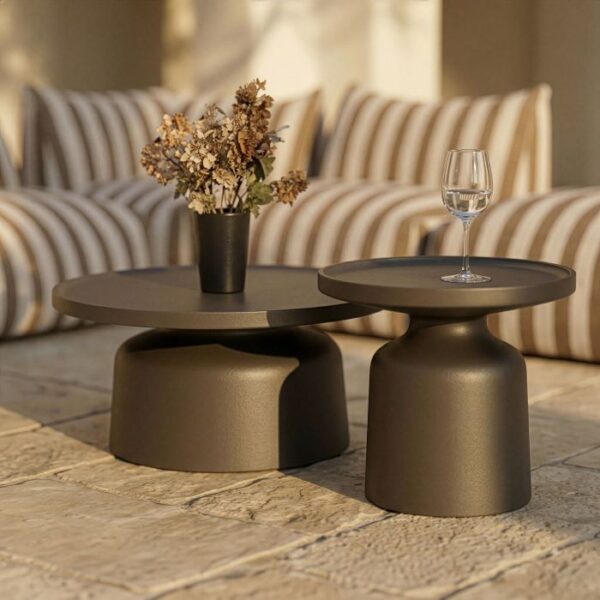
Modern end tables do solve everyday problems. A side table holds your phone charger. A drawer in the table hides remote controls and coasters. A shelf underneath stores extra throw blankets. The best designs handle all of this without crowding the room or fighting with your decorations.
Popular End Table Styles to Know
Every end table style sends a different signal about a room’s personality. Here’s how the most common options compare.
Wood End Tables
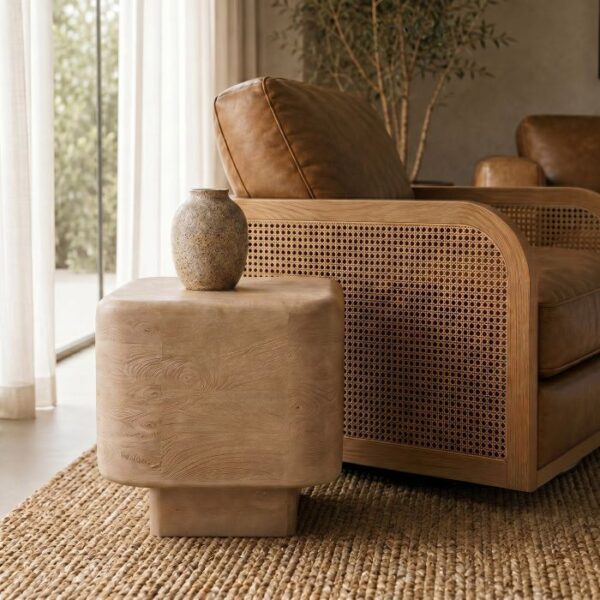
Wood end tables bring warmth to a living room. Oak tables add a rustic, lived-in feel. Walnut tables lean more refined and moody. Light woods like ash or birch keep a space feeling airy, while darker woods ground a room and add contrast against pale walls or sofas.
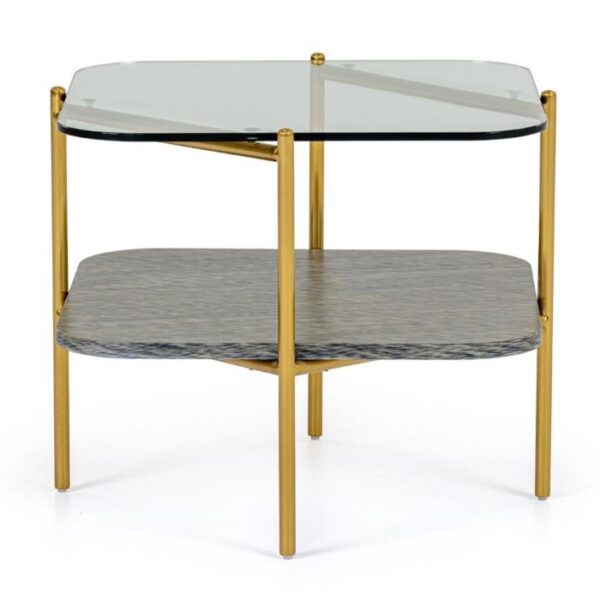
Metal End Tables
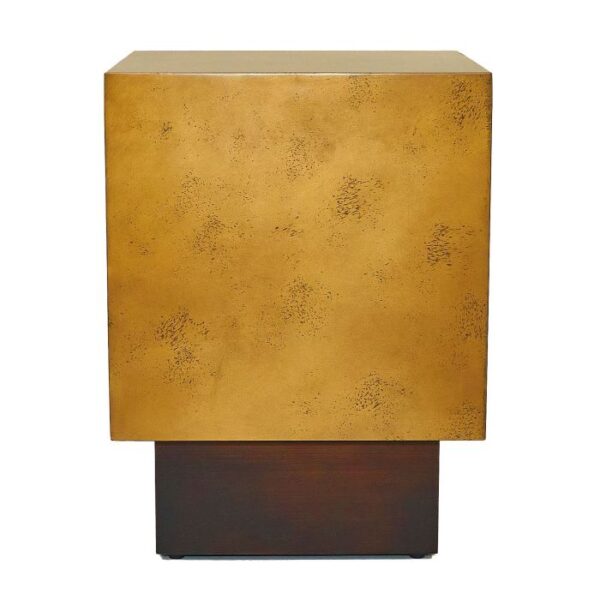
It suits modern and industrial interiors. Brass tables add a touch of glamour. Black iron tables feel edgier and more masculine. A metal frame holds up well over time, which makes it a practical choice for busy households with kids or pets.
Marble End Tables
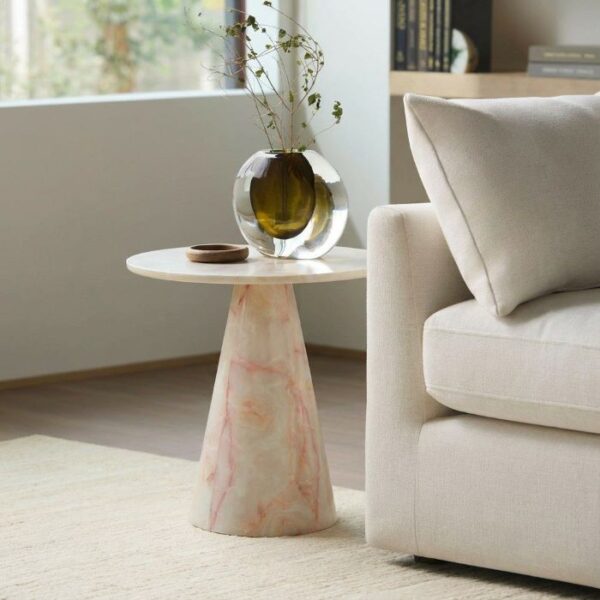
It signals a more luxurious style. A marble top adds texture and visual interest. Marble pairs beautifully with brass or gold hardware, and it photographs well, which is part of why it shows up so often in elevated living room designs.
Woven or rattan end tables soften a space. A rattan table introduces natural texture. This style fits coastal, bohemian, or Scandinavian-inspired rooms especially well, and it tends to feel lighter than solid wood or stone alternatives.
Matching the Table to Your Room’s Style
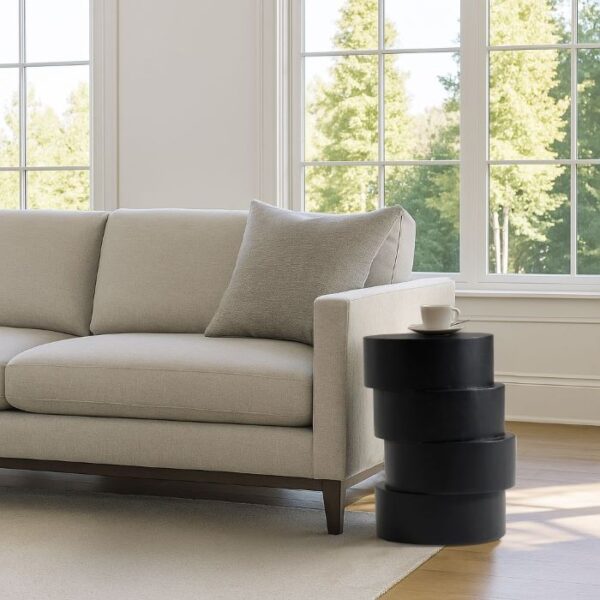
A contemporary living room calls for clean lines and minimal ornamentation. A mid-century modern space pairs naturally with tapered wooden legs and warm finishes. A traditional living room sets tables with curved legs, carved details, or a more formal silhouette. A bohemian room welcomes mixed materials, like a wood top resting on a woven base.
Mixing one or two materials across your end tables and coffee table ties a room together. Matching every single piece, on the other hand, can flatten a room and make it feel more like a showroom than a home.
Getting the Size and Placement Right
An end table should sit close to the same height as your sofa’s armrest, give or take a couple of inches. A table that’s too tall makes reaching for a drink awkward. A table that’s too short gets visually lost next to a larger sofa.
A small end table fits tight spaces well, such as the gap beside a reading chair. A larger end table with a shelf or drawer suits rooms that need extra storage. Leave a few inches of breathing room between the table and the sofa arm so the table doesn’t compete for space when people sit down or get up.
Bringing It All Together
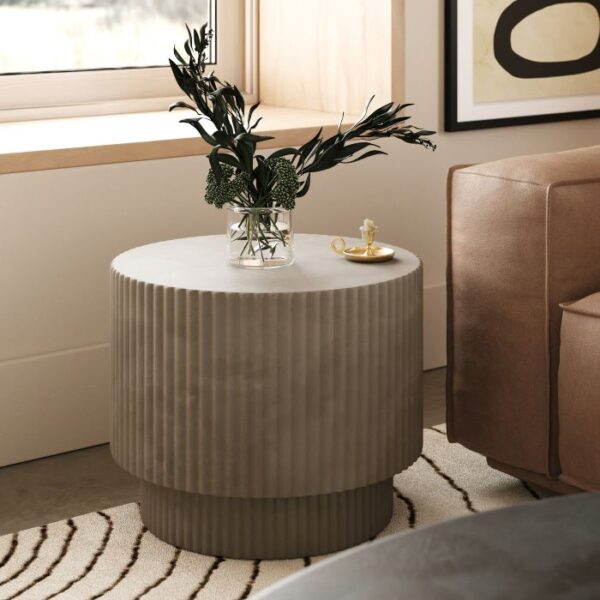
The best end table for your living room depends on three things: the materials already in your space, the amount of storage you actually need, and the overall mood you’re going for. A glass table keeps things light and modern. A wood table adds warmth and texture. A marble table elevates a room instantly. None of these choices is “more correct” than another, the right end table is simply the one that fits how you live and how your room already looks.
Frequently Asked Questions
What is the ideal height for an end table?
An end table should match the height of your sofa’s armrest, usually within an inch or two in either direction.
Should my end tables match my coffee table?
They don’t have to match exactly. Sharing one material or finish, such as the same wood tone or metal accent, creates cohesion without looking too matched.
Can I use two different end tables in the same room?
Yes. Many designers intentionally pair two different end tables to add visual interest, as long as the pieces share a similar color palette or style.
What’s the best end table material for small living rooms?
Glass tends to work best in small spaces, since it lets light pass through and makes the room feel less crowded.
How much space should be left between a sofa and an end table?
A gap of two to four inches is typically enough to avoid a cramped look while keeping the table within easy reach.
