


The kitchen is the heart of the home, the place where morning coffee, weeknight dinners, and weekend gatherings all happen. But a kitchen that looks beautiful only goes so far if it doesn’t work for the way you actually live. The best kitchen furniture strikes a balance: pieces that look intentional and elevated while holding up to daily use. At LA Furniture Store, we help homeowners find that balance every day.
In this article, we’re here to provide you with the right guide on how you can easily style your kitchen and at the same time create the one that
Start With Seating
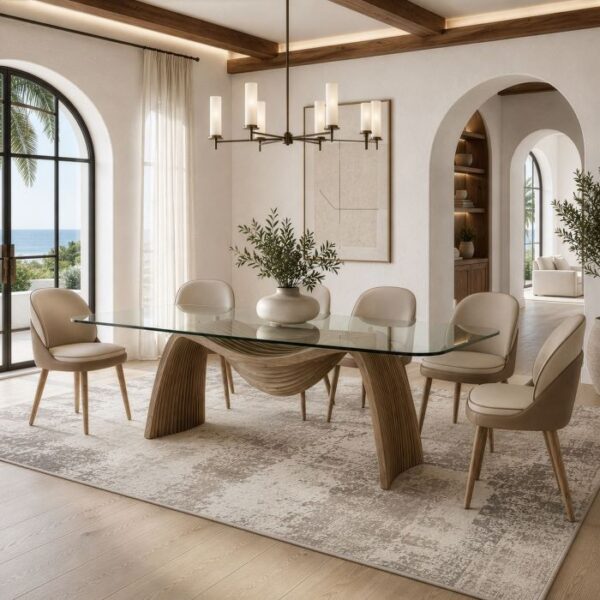
Kitchen seating sets the tone for the whole room, whether it’s a casual breakfast nook or a full modern dining setup. Bar stools at a kitchen island offer flexible, low-profile seating that’s easy to tuck away when not in use. A dining set with upholstered chairs adds comfort for longer meals, while a banquette or built-in bench maximizes seating in a smaller footprint. When choosing seating, pay attention to height. Counter-height stools typically pair with counters around 36 inches, while bar-height stools suit taller islands closer to 42 inches.
Choose a Table That Fits Your Lifestyle
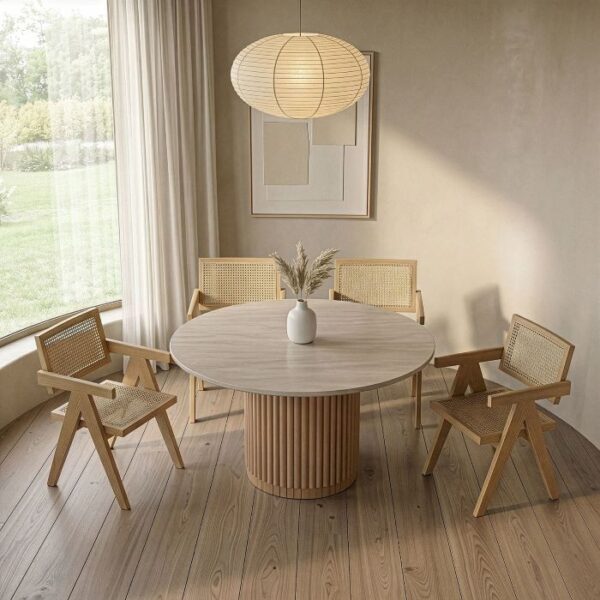
Your kitchen table needs to handle more than meals. It’s where homework gets done, mail gets sorted, and laptops get opened. A round table works well in tighter spaces and encourages conversation, while a rectangular table maximizes seating for larger households. Extendable tables are a smart choice if you regularly host guests but don’t want a large table taking up space every day. Material matters too: solid wood offers durability and warmth, while glass or laminate tops are easier to wipe down after busy weeknights.
Add Functional Storage Pieces
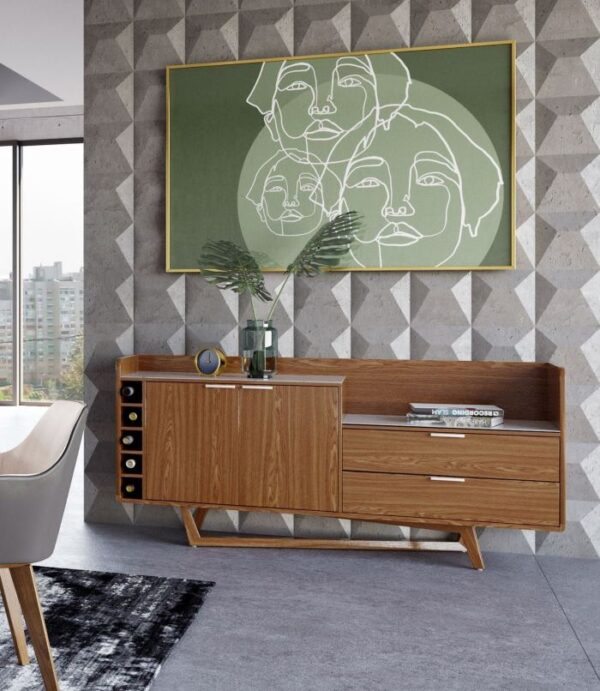
Cabinets can only hold so much, and freestanding kitchen furniture fills the gap. A buffet or sideboard offers extra counter space and storage for serving pieces, table linens, or pantry overflow. A kitchen cart adds portable prep space and storage in smaller kitchens, while a hutch or china cabinet gives you a place to display dishware while keeping it protected and organized.
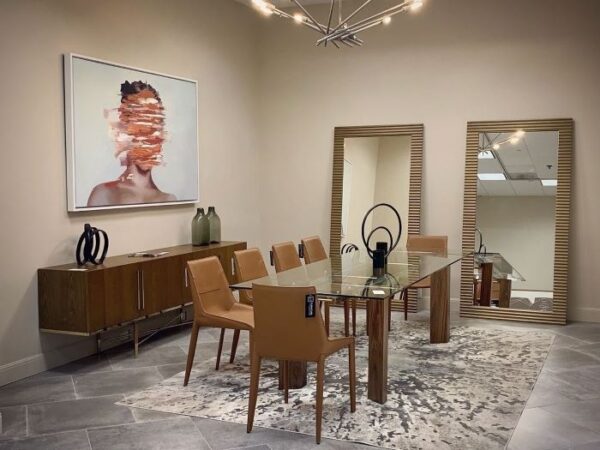
Small furniture choices add up to a more functional kitchen. A slim console near the entryway can hold keys and mail before they pile up on the counter. Open shelving paired with a few stylish baskets keeps everyday items accessible without looking cluttered. If your kitchen flows into a living or dining area, choosing furniture finishes that complement the adjacent room creates a more cohesive feel throughout the home.
Balance Style With Durability
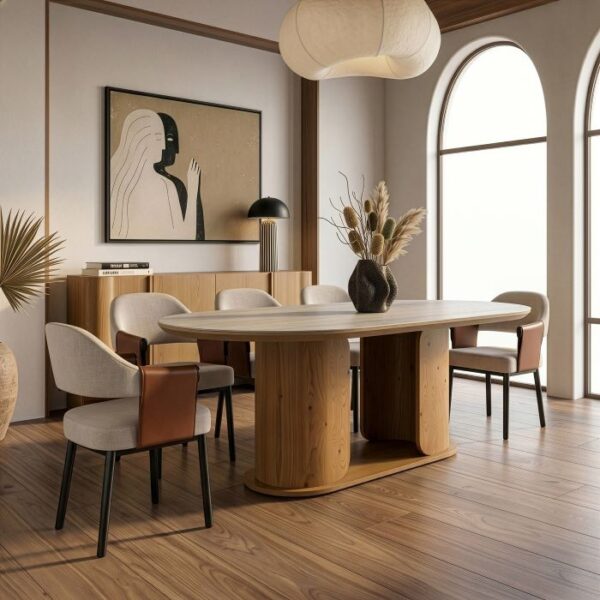
Kitchens see more wear than almost any other room in the house, so material choice matters as much as appearance. Solid wood furniture is a long-term investment that can be refinished over the years, while engineered wood and laminate options offer a similar look at a lower price point with easier maintenance. Metal accents, like iron table bases or stainless steel cart frames, add an industrial touch and hold up well to daily use. Whatever materials you choose, prioritize finishes that resist moisture and are easy to wipe clean.
Tie the Room Together
A kitchen feels most put-together when the furniture shares a common thread, whether that’s a wood tone, a color palette, or a design era. Farmhouse kitchens often pair distressed wood tables with woven or rattan seating. Modern kitchens lean toward clean lines, mixed metals, and minimal ornamentation. Traditional kitchens favor classic wood tones and upholstered seating with subtle detailing. Picking a direction early makes it easier to choose pieces that work together rather than competing for attention.
How to Choose the Best Kitchen Furniture
Keep these factors in mind as you shop for kitchen pieces:
- Measure before you shop. Account for walkways, door swings, and the space needed to pull out chairs or stools comfortably.
- Match seat height to your counters. Standard counters need 24 to 26 inch stools, while counter-height surfaces (36 inches) and bar-height surfaces (42 inches) each require different stool heights.
- Choose materials built for daily use. Look for finishes that resist spills, heat, and scratches, especially for tables and counters that see constant activity.
- Think about traffic flow. Leave at least 36 inches of clearance around tables and islands so the kitchen stays functional during meal prep and gatherings.
- Plan storage around your habits. Choose a buffet, cart, or hutch based on what you actually need extra room for, whether that’s serving ware, small appliances, or pantry items.
- Stick to a consistent style. Choose a wood tone, metal finish, or color palette and carry it through your seating, tables, and storage pieces.
- Balance with budget. Invest in pieces that get daily use, like your table and primary seating, and save on accent pieces that are easier to replace later.
Final Thoughts
The best kitchen furniture does double duty: it elevates the look of the room while standing up to the realities of daily life. Whether you’re outfitting a cozy breakfast nook or a full open-concept kitchen, choosing pieces that match your space, your habits, and your style will make the room both more beautiful and more livable. At LA Furniture Store, we carry a wide range of kitchen and dining furniture designed to bring style and function together in every home
Frequently Asked Questions
What furniture is essential for a functional kitchen?
At minimum, most kitchens benefit from a table or island seating, durable chairs or stools, and at least one storage piece like a buffet or cart to supplement cabinet space.
How do I choose the right bar stool height?
Measure your counter height first. Standard counters (28 to 36 inches) typically need stools 24 to 26 inches tall, while bar-height counters (40 to 42 inches) need stools around 28 to 30 inches tall.
What’s the most durable material for a kitchen table?
Solid wood is among the most durable options and can be refinished over time, but engineered wood, laminate, and metal-based tables also hold up well and are often easier to maintain.
How much space should I leave around a kitchen table?
A good rule of thumb is at least 36 inches of clearance on all sides so chairs can be pulled out and people can move around comfortably during meals.
Should my kitchen furniture match my dining room furniture?
It doesn’t need to match exactly, but choosing complementary wood tones, finishes, or color palettes helps the spaces feel connected, especially in open-concept homes.
What’s a good kitchen furniture style for a small space?
Look for multi-functional pieces like a kitchen cart with storage, a drop-leaf or extendable table, and stools that tuck completely under the counter when not in use.
Where can I find quality kitchen furniture in Los Angeles?
LA Furniture Store offers a wide selection of kitchen and dining tables, seating, and storage pieces designed to fit a variety of styles and space needs.
