


Ok so, you’ve finally found the recliner you’re looking for. The color is right, the price is right, and it’s sitting in your cart ready to ship. Then a small voice in the back of your head asks the one question that’s easy to skip: will it actually fit?
A recliner doesn’t just need floor space. It needs a path to get into the room, clearance to recline, and enough breathing room that it doesn’t crowd everything else you own. Here’s how to answer the “will it fit” question before the chair shows up at your door.
At LA Furniture Store, we’re here to help you measure your space for a new recliner.
A recliner has to travel through your front door, down a hallway, and possibly around a corner before it ever reaches the living room. That path is often the real bottleneck, not the final spot.
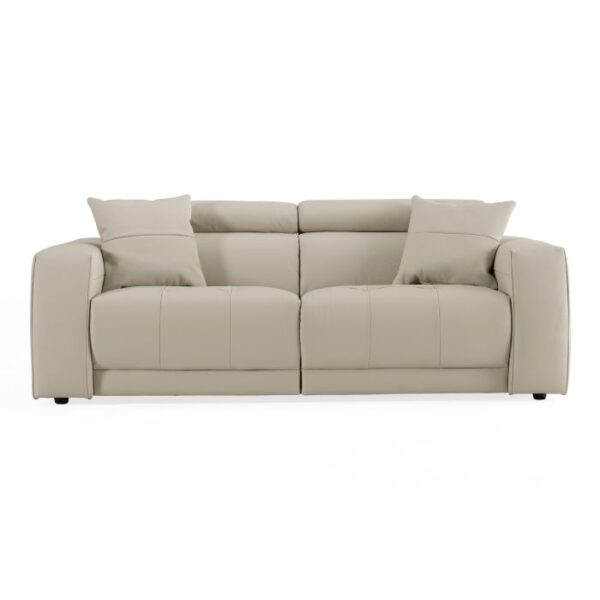
Measure the width of every doorway the chair will pass through. Measure the width of any hallway, especially where it narrows near a corner. Measure diagonally across tight turns, since a chair often has to tilt to clear a corner, and that diagonal measurement matters more than the straight width does.
A chair that fits easily into the living room can still get stuck three feet from the front door if nobody checked the hallway first.
Measure the Room for the Upright Position
Once the chair is in the room, it needs a defined footprint. Measure the width and depth of the space where the recliner will sit while upright. Add a few inches on each side for breathing room, since a chair pushed right up against a wall or another piece of furniture tends to look cramped even when it technically fits.
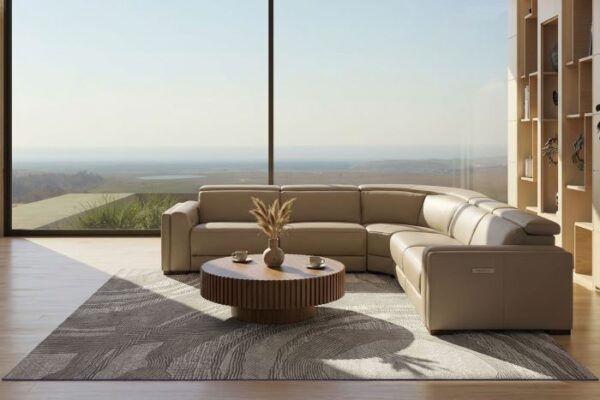
Walk the space and note what’s nearby. A side table too close to the chair gets knocked every time someone sits down. A rug edge too close to the chair’s base creates a tripping hazard once the footrest starts moving.
Measure the Room for the Reclined Position
This is the step most people forget, and it’s the one that causes the most regret. A recliner doesn’t stay the same size once you lean back.
Measure the distance from the wall to where the chair will sit, then add the manufacturer’s recommended clearance, which usually falls between three and seven inches depending on the recline mechanism. Measure the floor space in front of the chair too, since the footrest swings forward and needs a clear runway. A coffee table sitting too close turns into a shin-banging hazard the first time the chair fully reclines.
Wall-hugger recliners solve part of this problem. They slide forward as they recline instead of rocking backward, which means they need only a couple of inches of clearance behind them. A traditional recliner rocks back as a single unit, which means it needs significantly more space behind it to fully recline.
Map It Out With Tape
Numbers on paper don’t always translate to a clear mental picture, so this trick helps close that gap. Use painter’s tape or string to outline the chair’s upright footprint directly on your floor. Extend a second outline forward and back to mark the reclined footprint, including the footrest. Walk around the taped outline for a day or two before committing, since living with the shape on your floor reveals problems that a tape measure alone won’t show.
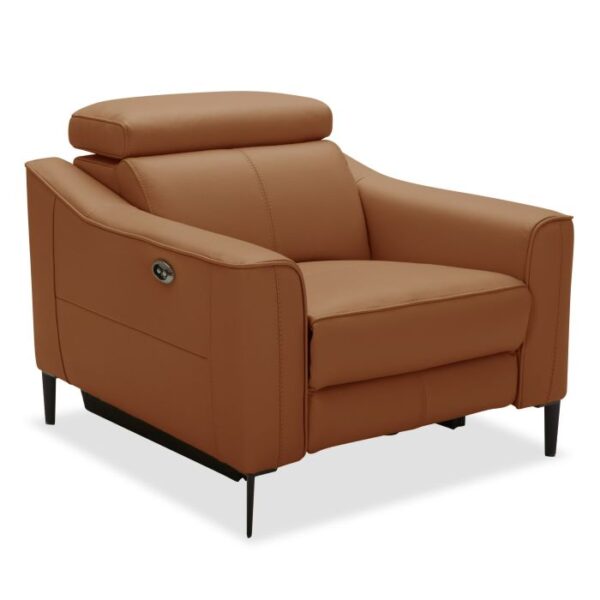
This single step catches more “oops, it doesn’t fit” moments than any other part of the measuring process.
Common Space Mistakes to Avoid
Measuring the room but skipping the doorway path causes more returns than any other mistake. Forgetting to account for baseboards, vents, or radiators along the wall causes tighter-than-expected clearance. Assuming a chair labeled “compact” needs less reclining space than a standard chair causes disappointment, since compact usually refers to the upright footprint, not the reclined one.
Takeaway
A reclining sofa asks more of a room than most furniture does, since it needs space for two different shapes: the chair you see in the showroom and the chair it becomes once you lean back. Measuring the doorway path gets it into the house.
Measuring the upright footprint gives it a proper spot. Measuring the reclined position keeps it from bumping into walls, tables, or shins. Taking ten extra minutes with a tape measure, or even a roll of painter’s tape, is a lot cheaper than discovering the mismatch after the chair has already been delivered. Still not sure, don’t worry, LA Furniture Store is here to help you find the perfect recliner for your living space.
Frequently Asked Questions
What’s the most commonly overlooked measurement when buying a recliner?
The path into the room. People measure the living room carefully but forget to check doorway widths and hallway turns, which is often where the chair actually gets stuck.
How much space should I leave between a recliner and a wall?
Most recliners need three to seven inches of clearance behind them, though wall-hugger models need only a couple of inches since they slide forward instead of rocking back.
Is there an easy way to visualize whether a recliner will fit?
Outlining the chair’s upright and reclined footprint on your floor with painter’s tape gives a much clearer picture than measurements on paper alone.
Do I need extra space in front of the chair too?
Yes. The footrest extends forward when reclined, so that area needs to stay clear of coffee tables, ottomans, or rugs that could interfere with the mechanism.
What’s the difference between a wall-hugger recliner and a traditional one when it comes to space?
A wall-hugger slides forward as it reclines and needs minimal clearance behind it. A traditional recliner rocks backward as a unit and needs more space against the wall to fully recline.
