


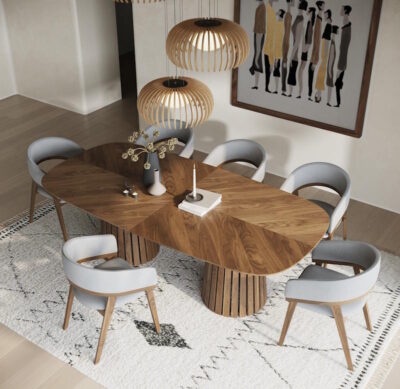
Matching dining sets are no longer the only choice for creating a beautiful dining room. Today, homeowners embrace the idea of mixing and matching tables with chairs to achieve a look that feels personal, stylish, and unique. Mixing furniture is not about breaking rules; it is about creating harmony while keeping comfort in mind.
The steps to mix and match dining tables and chairs
- Focus on Proportions
Balance table height, chair seat height, and spacing so the set feels comfortable and visually aligned.
- Choose a Cohesive Style
Pick an overall theme (modern, rustic, farmhouse, industrial) and let the dining table anchor the design.
- Play with Colors and Finishes
Use dominant tones, neutral bases, or contrasting shades to make the mix look intentional, not random.
- Mix Materials for Depth
Combine wood, glass, marble, or metal with complementary chair materials to add texture and dimension.
- Experiment with Chair Styles
Try identical chairs with a contrasting table, or mix chair types while repeating one unifying element.
- Balance Comfort and Functionality
Ensure chairs provide padding, back support, and durable finishes so the space is both stylish and practical.
- Use Symmetry and Repetition
Repeat shapes, colors, or materials across pieces to maintain harmony and rhythm in the dining space.
- Test Before You Commit
Experiment in-store or use design tools to visualize combinations before finalizing your choice.
Instead of every chair looking identical, the room benefits from visual variety that feels warm and welcoming. It helps create a space that is both practical for daily use and stylish for entertaining. LA Furniture Store highlights this trend as a way to bring balance and character to dining spaces in homes.
What are the Basics of Mixing and Matching Dining Tables and Chairs?
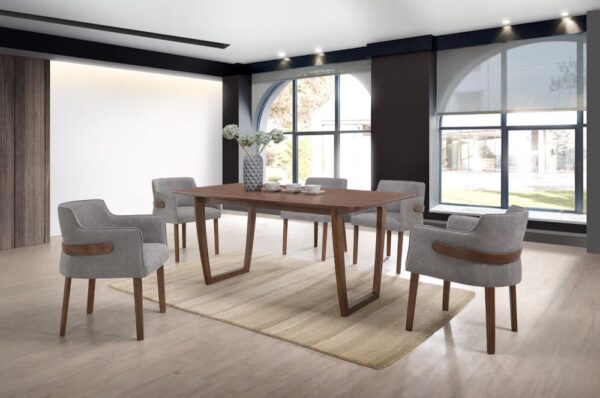
The basics of mixing and matching dining tables and chairs involve selecting pieces that differ in style, shape, or finish, yet still work together in balance. It allows you to create a dining area that is planned and tailored instead of uniform. The aim is harmony, not randomness. Learn about proportion. A heavy wooden table requires chairs of equal weight; a sleek modern table needs chairs with lighter frames. For example, the Modrest Jordan modern walnut and grey dining set pairs a warm walnut table with grey chairs, achieving a balanced look that blends modern style with practical comfort. Picking furniture without considering the scale creates a cluttered look. Using balance, proportion, and harmony as your guidelines, mix styles while still having a practical dining room. So you get character mixed in with comfort.
What are the Practical Strategies for Mixing Dining Tables and Chairs?
Pragmatic strategies include balancing proportion, choosing a suitable style, matching colors and finishes, experimenting with chair styles and depth, and considering comfort, symmetry, and repetition, as well as testing combinations before committing. Such rules make mixed dining sets functional and stylish.
The practical strategies for mixing dining tables and chairs in detail are:
Focus on Proportions
One of the most important factors in mixing and matching is proportion. Dining tables and chairs must work together in size to ensure comfort. If the table is too tall or the chairs are too low, the arrangement becomes impractical. For detailed measurements and tips, refer to our dining table size guide to choose the right table for your space.
- Standard table height
Standard table height is 28–30 inches. This range is considered ideal because it maintains a comfortable level for dining while providing sufficient clearance for chairs.
- Chair seat height
Chair seat height is 17–19 inches. Chairs within this height range provide enough legroom under the table, preventing cramped seating and ensuring comfort during meals.
- Dining space per person
Dining space per person is 24–26 inches. Allowing this width ensures that every person has adequate elbow room and space for plates, glasses, and cutlery, making the dining experience more practical and enjoyable.
- Balance of style and proportion
A wide, heavy wooden table looks best with equally solid chairs that match its scale, while a slim glass table feels more balanced with lightweight chairs that keep the look airy.
- Design goal
Proportion ensures harmony. When table size, chair scale, and spacing align, the dining room feels both functional and visually balanced.
Proportions keep dining sets comfortable, practical, and visually pleasing. By following these measurements, you maintain harmony even when mixing different furniture styles from the LA Furniture Store.
Choose a Cohesive Style
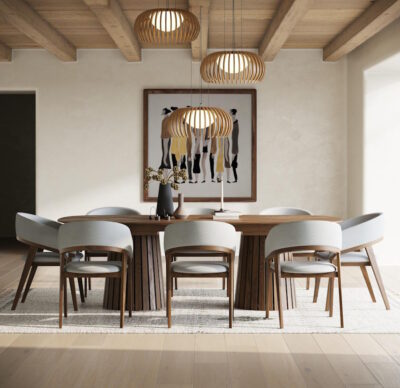
Colors and finishes help mixed dining furniture look planned rather than matched. The right balance makes the space feel balanced.
- Create a Unified Look
A dining area with mixed furniture should always look cohesive. This is easiest if you choose a clear style. Having a style prevents pieces from looking random or mismatched.
- Pick an Overall Theme
Pick a central theme: modern, rustic, farmhouse, industrial, or minimalist. This theme guides your design choices. It provides the foundation for dining room harmony.
- You can use the Table as an Anchor
It is the largest piece in the room, the dining table. If the style is known, select a table that reflects it. The table guides you in selecting complementary chairs.
- Select Complementary Chairs
Chairs do not have to match the table exactly. Instead, complement its character. For example, rustic wooden tables pair well with upholstered chairs, while glass tables complement minimalist metal chairs.
- Balance With Color and Texture
Common elements, such as tone, shape, or finish, provide consistency. Neutral fabrics soften the look of heavy wood and metal chairs, contrasting nicely with the rustic charm of farmhouse tables. Diverse collections from the LA Furniture Store allow mixing without compromising cohesion.
Play with Colors and Finishes
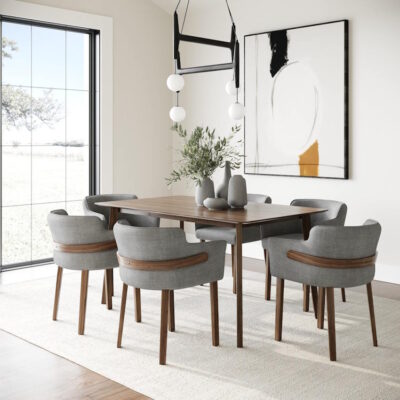
Color and finish are the easiest ways to make mismatched dining sets feel intentional and cohesive. They create harmony, highlight contrast, and bring personality into the room without overwhelming the space.
These are strategies for mixing dining tables and chairs with color and finish:
- Color is a Powerful Tool
Color brings together mixed dining sets. A clear palette connects different designs, so the variety looks intentional. That means deliberate mixing rather than random color choices.
- First, use a Dominant Tone
Start with dark wood and add lighter or neutral chairs. Contrast creates interest; light wood tables pair well with darker chairs.
- Use Neutral Chairs as a Base
Neutral tones, such as beige or gray, serve as a suitable foundation. The focal point is a big black table. Conversely, striking chair designs pop against a simple, understated table.
- Incorporate Painted Chairs
Behind rustic tables, painted accent chairs add a touch of personality and warmth. Finishes also impact mood; Matte finishes are casual, while glossy finishes are sleek and contemporary in dining spaces.
- Balance Multiple Wood Tones
When mixing wood finishes, you need contrast. Two shades that are too similar appear mismatched. More stark tones create an intentional balance.
- Unify Through Color and Finish
Colors or finishes repeated across mixed furniture create a sense of flow. Shared tones keep the dining room feeling harmonious while bold statements reflect personality.
Mix Materials for Depth
Materials bring dimension and texture to dining spaces, enhancing their aesthetic appeal. Mixing them prevents the set from feeling flat. A single-material set appears too uniform, while a mixed-material set creates depth and interest.
Wood tables are versatile. They pair well with upholstered chairs for softness, metal chairs for industrial appeal, or rattan chairs for a casual vibe. Marble finish dining table sets bring elegance but feel heavy without balance. Pairing them with sleek, minimalist chairs keeps the look light and airy.
Glass tables look modern but benefit from wooden chairs that add warmth and stability. For durability, metal or leather chairs provide long-term strength while still complementing the richness of marble.
Depth comes from layering textures. Smooth, rough, matte, and glossy surfaces all contribute to the overall appearance. Mixing materials keeps the dining area inviting, not monotonous. LA Furniture Store curates material combinations that make it easy to add depth while maintaining harmony in homes.
Experiment with Chair Styles
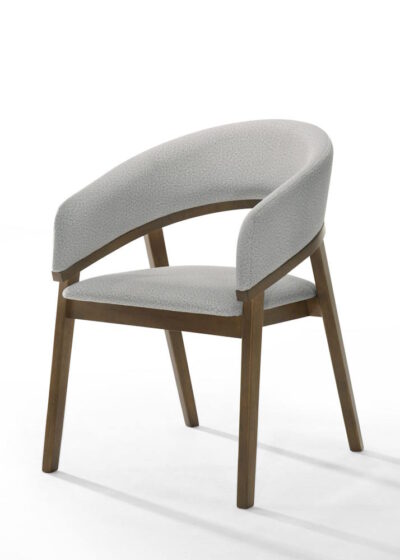
Chairs are where creativity shines in a mixed dining set. While the table anchors the room, the chairs bring variety and a sense of personality.
- Match Chairs, Contrast the Table
Keep all chairs identical, but pair them with a contrasting table style, such as combining a modern glass table with classic wooden chairs.
- Mix Chair Styles around One Table
Blend upholstered, metal, and wooden chairs around a rustic or neutral table to create variety while maintaining a cohesive look.
- Use Statement Head Chairs
Place distinctive chairs at the ends of the table, for example, two high-backed upholstered chairs balanced with simpler side chairs.
- Maintain a Common Feature
Unify the look by repeating at least one element, such as color, finish, or material, across all chairs.
- Balance Creativity with Cohesion
Experiment freely, but ensure harmony through the use of shared design elements.
LA Furniture Store offers a minimalist sleek dining chairs collection with a range of designs, making it easy to mix and match for a curated, stylish, and personalized dining room.
Balance Comfort and Functionality
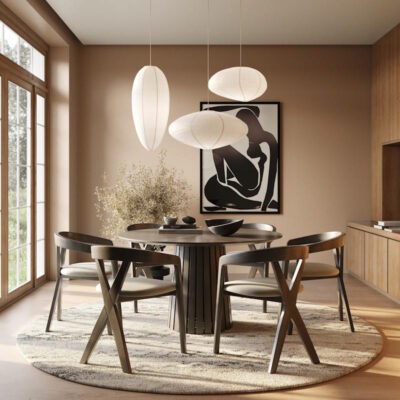
The dining area should be both attractive and functional. When mixing tables and chairs, comfort and functionality are just as important as style. Seat comfort is important. Padded chairs make longer meals comfortable, while non-padded wooden or metal chairs might be more suited to casual dining. Back support is also necessary.
Good chairs prevent strain during extended use. Material durability also affects functionality. Families with children choose stain-resistant fabrics or wipe-clean finishes, and frequent entertainers opt for chairs that withstand heavy use. Furniture choice should reflect lifestyle. All day dining should be comfortable, and occasionally entertaining should be experimental.
Use Symmetry and Repetition
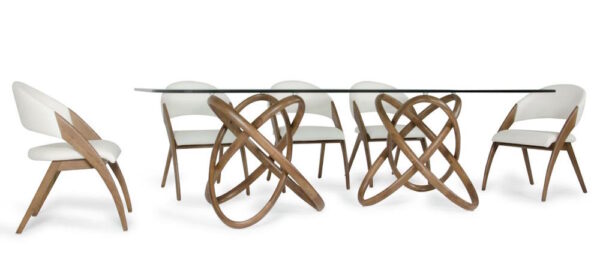
Symmetry and repetition help maintain a balanced mixed dining room design. Without them, the space risks looking random and chaotic.
- Symmetry adds order
Place matching chairs on each side of the table or use identical head chairs at both ends.
- Repetition creates unity
Repeat one element, such as shape, leg design, or material, even when chair styles differ.
- Blend materials effectively
A wooden table with metal legs pairs well with chairs featuring metal frames.
- Echo colors for balance
Bold chair colors can be repeated in table décor or lighting fixtures for consistency.
- Balance statement pieces
Brightly colored chairs work best with neutral accents, such as a plain rug or a simple table.
- Maintain rhythm
Repeating two or three design elements ensures cohesion even with mixed furniture.
- Curated solutions
LA Furniture Store offers versatile dining sets that support creative freedom while preserving balance.
How to Test Before You Commit?
Mixing tables and chairs is easier when you test combinations before making a final decision. Visualizing the mix ensures that the pieces complement each other in terms of comfort and style. Start by experimenting in-store. Take several chairs and see how they look around a chosen table.
Watch how heights, materials, and colors interact. LA Furniture Store offers side-by-side testing for easy product selection. If you cannot perform in-person testing, try using digital tools. Some design apps or online room planners let you virtually pair tables and chairs. This helps avoid expensive errors and saves time. By testing before committing, homeowners create a practical and stylish dining set that suits their needs.
