


A bench is a long seat designed for multiple people. It can be used indoors or outdoors for seating, storage, or decorative purposes. Benches come in various heights, widths, and depths to suit different rooms and functions. Understanding standard bench dimensions helps you choose the right piece for your space.
Choosing the right bench means knowing the proper measurements for comfort and function. A bench that is too high or too low can feel awkward and uncomfortable for daily use. This blog explains what the standard bench height is and covers other essential bench dimensions you need to know. Each section provides clear measurements that match real rooms and real-life situations.
LA Furniture Store offers a wide range of modern benches in contemporary and Italian-inspired styles. Each piece blends comfort, smart design, and lasting materials, making your home both stylish and functional.
Understanding Standard Bench Height
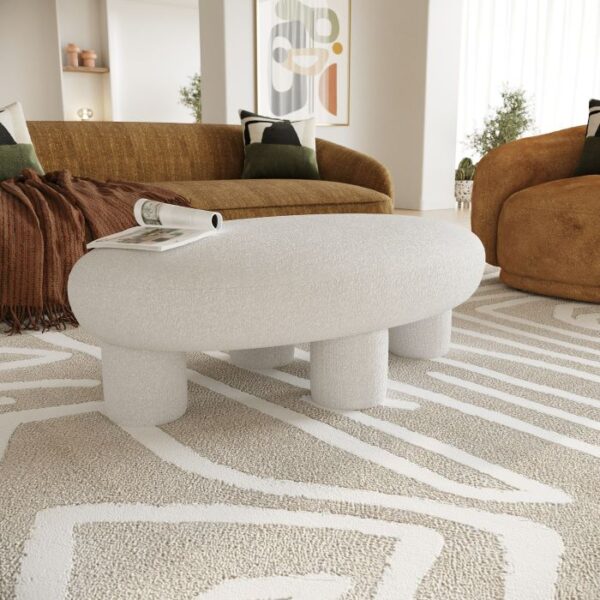
Bench height affects how comfortable you feel when sitting. A bench that is too low forces you to bend your knees at an awkward angle, while one that is too high leaves your feet dangling. The 18-inch standard provides the best balance for everyday use in homes, entryways, and dining areas.
Different bench types may vary slightly from this standard. Bedroom benches often measure 16 to 19 inches to match bed heights, while outdoor benches can range from 17 to 20 inches depending on their purpose. Storage benches maintain the same 18-inch standard but include hidden compartments underneath the seat for added function.
Standard Bench Seat Depth
The standard bench seat depth measures 15 to 20 inches from front to back. This depth gives you enough space to sit comfortably without feeling cramped or sliding forward. A 15-inch depth works well for narrow entryway benches, while 20 inches provides better support for longer sitting periods in dining or bedroom benches.

Seat depth impacts your posture and comfort level. Shallow benches under 15 inches feel perched and unstable, making them suitable only for quick tasks like putting on shoes. Deeper benches over 20 inches can cause you to slouch or sit too far back, reducing support for your lower back.
For dining benches, a depth of 17 to 18 inches is ideal because it matches the depth of standard dining chairs. This creates a uniform look around the table and ensures everyone sits at the same distance from their plate. Bedroom benches at the foot of the bed work best with 16 to 18 inches of depth, providing enough room to sit while dressing without taking up too much floor space. If you’re looking for options, explore our fabric dining benches for stylish dining rooms to find the right fit for your table.
Standard Bench Length and Width
Standard bench length varies widely based on seating capacity and room size. A small bench for one person measures 24 to 36 inches long, while a two-person bench ranges from 42 to 52 inches. Larger benches for three or more people extend from 60 to 72 inches or longer, making them perfect for dining tables or entryways.
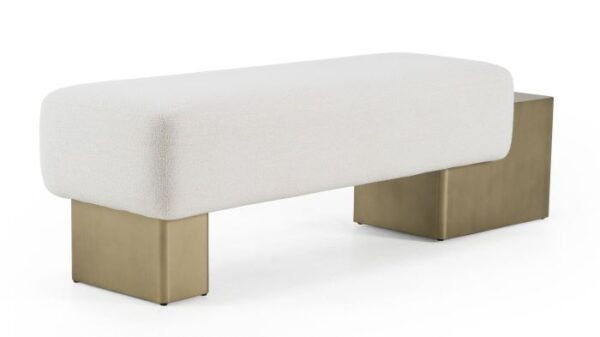
Width and length work together to define how many people can sit comfortably. Each person needs approximately 18 to 24 inches of bench length to avoid feeling squeezed. A 48-inch bench can seat two adults comfortably, while a 72-inch bench accommodates three to four people with ease.
Room size determines the right bench length for your space. In small entryways, a 30 to 40-inch bench provides seating without blocking walkways. Dining rooms with large tables benefit from longer benches that match the table length, creating a cohesive and balanced look. Always measure your available space before choosing a bench length to ensure proper clearance around doors and furniture. Browse our brass finish benches for dining rooms to add an elegant touch to your setup
Benches with backrests typically have back heights ranging from 12 to 20 inches above the seat. This added height provides lumbar support and makes the bench more comfortable for extended sitting. Lower backrests of 12 to 15 inches offer gentle support without dominating the room visually, while taller backs of 18 to 20 inches give full back support similar to a chair.
Backrest height affects both comfort and style. A low back creates a sleek, modern look and works well in contemporary spaces where you want the bench to blend in. Higher backs make a statement and turn the bench into a focal point, especially when upholstered in bold fabric or detailed with tufting.
Dining benches with backs usually measure 16 to 18 inches above the seat to align with the height of matching dining chairs. This creates visual harmony around the table and ensures everyone enjoys similar comfort. Entryway benches with backs can have shorter backrests of 12 to 14 inches since people typically sit for brief periods while putting on shoes.
Bench Leg Height and Clearance
Bench leg height refers to the space between the floor and the underside of the seat. Standard bench leg height measures 15 to 17 inches, providing enough clearance for feet and allowing easy cleaning underneath. This height also determines whether items can be stored under the bench, such as baskets, shoes, or bins.

Leg clearance matters for both function and appearance. Higher legs create an open, airy feel and make small rooms look less crowded. Lower legs or solid bases offer more stability and often include built-in storage compartments, making them practical for entryways and bedrooms.
Different leg styles affect overall bench height. Benches with thick upholstered seats may have shorter legs to maintain the standard 18-inch seat height, while slim wooden benches can have taller legs. When choosing a bench, consider how much clearance you need underneath for storage or cleaning, and select leg height accordingly. Our wood finish benches for modern interiors are a great example of how leg style and finish can transform a room’s aesthetic.
Entryway Bench Dimensions
Entryway benches follow specific dimensions to fit narrow hallways and foyers. The ideal entryway bench height is 18 inches, with a seat depth of 14 to 16 inches to save space. Length typically ranges from 36 to 48 inches, providing seating for one to two people without blocking doorways or traffic flow.
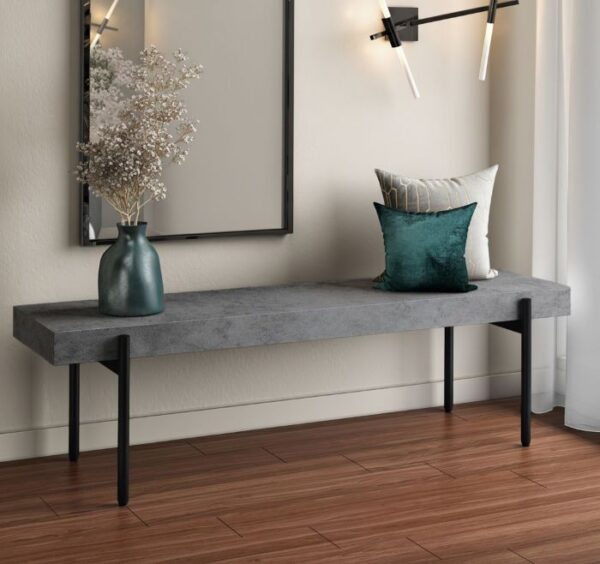
These compact dimensions make entryway benches highly functional. The shallower depth allows the bench to fit against walls in tight spaces, while the moderate length ensures it doesn’t overwhelm small entryways. Many entryway benches include storage underneath or hooks above, maximizing utility in limited square footage.
For homes with larger entryways, benches can extend to 60 inches or longer and include additional features like arms, backrests, or multiple storage compartments. Measure your entryway width and allow at least 30 inches of walking space on either side of the bench for comfortable passage.
Dining Bench Dimensions
Dining benches are designed to fit alongside or across from dining tables. Standard dining bench height measures 18 to 20 inches to pair with tables that are 28 to 30 inches tall. Seat depth should be 17 to 18 inches to match dining chair depth, and length depends on table size, typically ranging from 48 to 72 inches.
The right dining bench dimensions create a balanced and comfortable eating area. A bench that is too short leaves empty space at the table, while one that is too long crowds the room. Measure your dining table length and choose a bench that is slightly shorter, leaving a few inches on each end for visual balance.
Many dining benches are backless to allow easy sliding in and out from the table. This design works well in casual dining spaces and keeps the room feeling open. For formal dining rooms, benches with low backs add elegance and provide extra support during longer meals.
Bedroom Bench Dimensions
Bedroom benches sit at the foot of the bed and serve as seating or storage. The standard bedroom bench height is 16 to 19 inches, slightly lower than other benches to align with mattress height. Seat depth ranges from 14 to 18 inches, and length varies from 42 to 60 inches based on bed size.
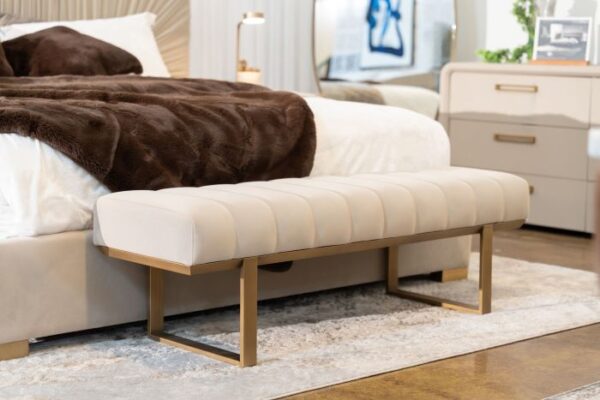
A bedroom bench should be proportional to your bed. For twin or full beds, a 42 to 48-inch bench works well, while queen and king beds pair nicely with 54 to 60-inch benches. This creates visual balance and ensures the bench doesn’t look too small or too large compared to the bed frame.
Storage bedroom benches often have lift-up tops with compartments for blankets, pillows, or seasonal clothing. These benches maintain standard height and depth while adding functional storage. Explore our upholstered benches for bedrooms for a soft, luxurious look that ties in with your bedding colors and textures for a cohesive design.
Outdoor Bench Dimensions
Outdoor benches are built for durability and weather resistance while maintaining comfortable dimensions. Standard outdoor bench height is 17 to 20 inches, with seat depth of 15 to 18 inches. Length varies widely, from small 36-inch garden benches to long 72-inch patio benches for multiple people.
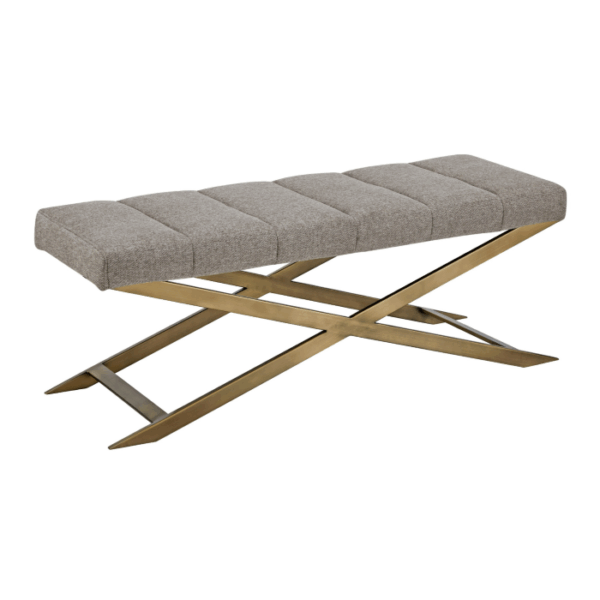
Materials like teak, metal, or treated wood are common for outdoor benches because they withstand rain, sun, and temperature changes. These materials may add weight but ensure the bench stays stable in windy conditions. Outdoor bench dimensions often include wider seats and deeper depths for relaxed, casual seating.
Garden benches typically have decorative backs and arms, adding 6 to 12 inches to the overall height and width. Park-style benches feature slatted seats and backs for water drainage, with standard dimensions that prioritize function over plush comfort. When choosing an outdoor bench, consider the space available on your patio or deck and allow room for people to walk around it comfortably.
How to Choose the Right Bench Dimensions for Your Space
Choosing the right bench dimensions starts with measuring your available space. Use a tape measure to record the length, width, and height of the area where the bench will sit. Leave at least 30 inches of clearance around the bench for walking space and furniture access.
Consider how you will use the bench. For quick seating in an entryway, a shallower depth of 14 to 16 inches works well. For dining or longer sitting periods, choose a depth of 17 to 20 inches for better comfort. Match bench height to nearby furniture, such as tables or beds, to create a cohesive look. If you want a versatile option that works across multiple rooms, check out our modern grey benches for living rooms for a clean, contemporary style.
Think about the number of people who will use the bench. Each person needs 18 to 24 inches of bench length, so a family of four should look for benches at least 60 to 72 inches long. For small spaces or occasional use, a 36 to 48-inch bench provides seating without overwhelming the room.
Where to Buy Quality Benches?
The best place to buy quality benches is LA Furniture Store. Choosing the right bench matters because it adds seating, storage, and style to any room. LA Furniture Store makes that choice easy by offering a wide selection of options in modern and Italian-inspired styles. Whether you want a sleek entryway bench, a functional dining bench, or one with hidden storage, the collection covers every need.
Each bench is made with quality materials designed to last. Fabrics resist daily use, and structures are built to stay strong over time. That means your bench keeps both its style and function, even with everyday living. LA Furniture Store also focuses on detail, from stitching to finishes, so every piece looks refined.
Beyond durability, variety sets LA Furniture Store apart. The range includes bold statement benches, neutral classics, and multipurpose designs that fit small or large spaces. This makes it easy to find a bench that matches your home style and makes your space feel complete. For comfort, quality, and modern design, LA Furniture Store is the best place to shop.
Frequently Asked Questions
What is the standard bench height?
The standard bench height is 18 inches from the floor to the seat, which matches average chair height and allows comfortable sitting for most people. This height works well for dining benches, entryway benches, and bedroom benches in typical home settings.
How deep should a bench seat be?
A bench seat should be 15 to 20 inches deep from front to back for comfortable seating. Entryway benches work well at 14 to 16 inches, while dining and bedroom benches benefit from 17 to 20 inches of depth.
What is the ideal length for a dining bench?
The ideal length for a dining bench is 48 to 72 inches, depending on your table size and seating needs. Each person requires 18 to 24 inches of bench length for comfortable sitting without feeling cramped.
Do benches with backs need different dimensions?
Benches with backs need backrests that measure 12 to 20 inches above the seat for proper support. The seat height remains the standard 18 inches, but the total bench height increases based on backrest style and design.
What bench dimensions work best for small entryways?
For small entryways, bench dimensions of 36 to 48 inches in length, 14 to 16 inches in depth, and 18 inches in height work best. These compact measurements provide seating without blocking hallways or doorways.
How much clearance should I leave around a bench?
You should leave at least 30 inches of clearance around a bench for comfortable walking space. This allows people to move freely and ensures doors, drawers, and other furniture can open without obstruction.
Are outdoor benches taller than indoor benches?
Outdoor benches are slightly taller, measuring 17 to 20 inches in height compared to the indoor standard of 18 inches. This extra height accommodates thicker materials and helps with drainage in weather-resistant designs.
What materials are best for bench construction?
The best materials for bench construction include solid wood, metal frames, and durable upholstery fabrics. Wood provides strength and classic style, metal offers modern stability, and fabric adds comfort and color options.
