


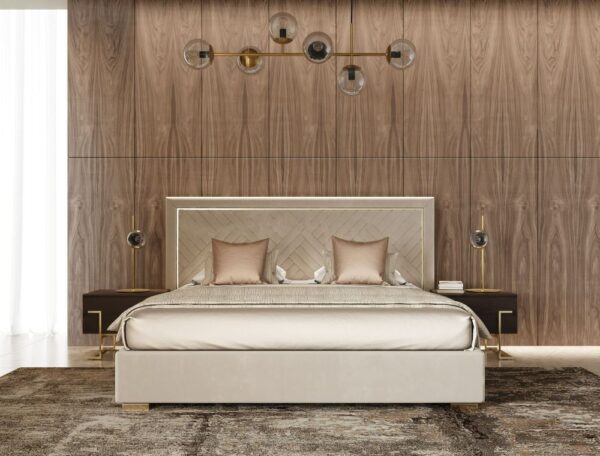
Your bedroom is the one place where you should feel more like you than anywhere else. The bed, nightstands, dressers, and accent pieces; the combination of all these different types of furniture shapes the style and function of your space. Choosing pieces that balance aesthetics with practicality creates a bedroom that feels both inviting and livable.
This guide walks through how to mix and match bedroom furniture the right way. And when you need a head start, LA Furniture Store offers a complete range of bed furniture to mix-and-match statement pieces, so you bring your vision to life with ease.
Step 1: Define Your Style Direction
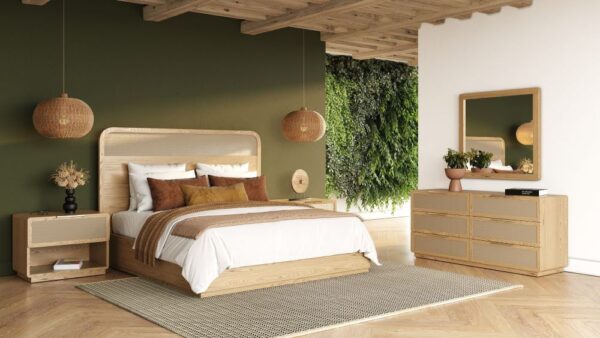
Mixing and matching furniture begins with clarity, not chance. Before you start shopping, decide which style direction feels right for you. Think about what makes you feel most at ease: modern simplicity, rustic charm, bohemian freedom, sleek minimalism, or a more eclectic blend.
Choosing a main style gives you an anchor. This single choice prevents your room from looking like a random collection of pieces. Every new item should tie back to that anchor in some way.
For example, if you love a modern rustic vibe, a sleek black nightstand can complement a distressed wood dresser, as both styles connect to your chosen aesthetic. Once your direction is set, you move forward with purpose instead of guesswork.
Step 2: Measure and Assess Your Space
Once you’ve got the style sorted, the next consideration is your bedroom. Measure your room accurately for length, width, and even the height of the ceiling. Observe the positioning of windows, analyze how natural light comes into the room during the day, and focus on where doors and built-ins sit in the space.
This assessment ensures proportion and balance. Bulky furniture stifles an already small room, while a tiny, low-profile piece easily gets lost in a larger space. Lighting matters, too: dark wood seems cozy and dramatic in a large room with plenty of sunlight. In a smaller, dim space, it can come across as rather heavy. Knowing your room’s structure allows you to choose pieces that not only fit but also enhance the space.
Step 3: Start with the Bed as the Foundation
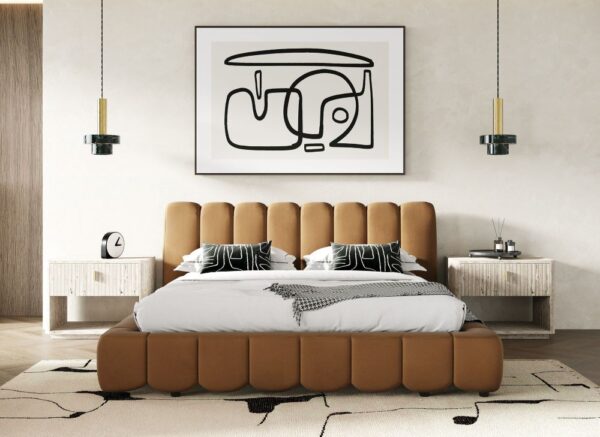
Once the room’s dimensions are clear, it’s time to focus on the bed, which is the anchor of your bedroom design because it is the largest and most dominant piece. The bed automatically sets the stage for everything else.
Decide the “role” of your bed. Do you want a neutral headboard, perhaps in soft upholstered gray linen, so that other pieces can shine, or something really bold, like a carved four-poster or a velvet frame in jewel tones? A neutral bed allows bold accents elsewhere, while a statement bed should have simple complementary pieces. Either way, the bed’s personality dictates your next choices.
Step 4: Build a Cohesive Color Palette
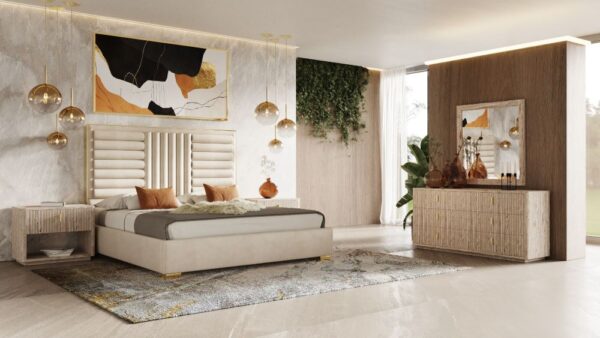
From setting up the bed as the basis, the next task is creating a color scheme. A binding color palette means that even mismatched pieces will connect.
Pick two to three dominant colors and one to two accents. Neutral tones, such as white, beige, gray, and black, are excellent choices for larger furniture pieces, like dressers and wardrobes, as they keep the look grounded and cohesive.
Accent colors can then be incorporated into smaller pieces of furniture, such as pillows, chairs, and artwork. For example, a gray bed and white dresser feel pulled together when emerald mustard pillows and a patterned rug are added. The right palette brings order to variety.
Step 5: Mix Materials and Finishes
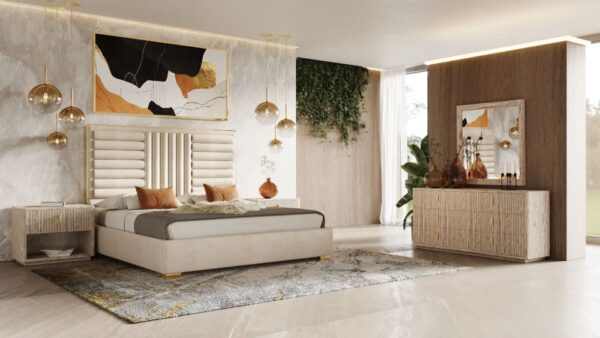
Once your colors are set, add richness by mixing materials and finishes. A bedroom filled with only one material looks flat, while a thoughtful mix creates depth and character.
Combine wood, metal, glass, stone, and fabrics for balance. A wooden dresser pairs beautifully with metal-legged nightstands, while a glass vanity feels right at home next to a cozy, upholstered chair.
Pay attention to undertones: keep all your woods warm (like oak and cherry) or all cool (like ash and pine). And think in contrast. Sleek lacquered surfaces look all the better next to natural textures like linen and rattan. Mixing is a very thoughtful combination of items that complement one another.
Step 6: Balance Scale and Proportion

With the chosen materials, ensure the room is balanced in scale. This gives balance to the chosen materials. Mixing works best when each one retains its position without taking over or overshadowing others.
Pair heavier, chunkier pieces with lighter ones to avoid a top-heavy look. For example, a large solid wood dresser feels more balanced with slim, metal-framed nightstands.
Heights also matter: bedside tables should be positioned close to the mattress height for optimal comfort, and rugs should be large enough to extend under the bed. When scale is considered, the room feels harmonious, which sets the stage for highlighting a focal point.
Step 7: Incorporate a Focal Point
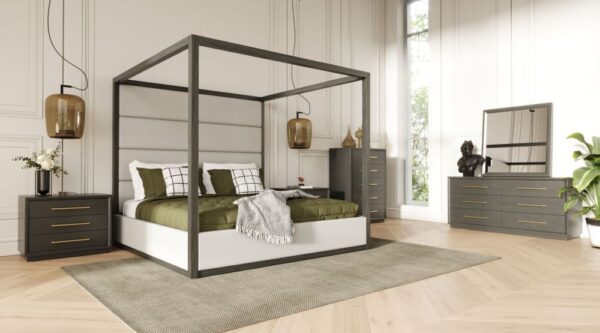
With balance established, the next step is to provide the eye with a clear point of focus. Every successful bedroom design has a focal point that draws attention first.
Choose one statement piece, whether it’s a dramatic headboard, a sculptural dresser, or a striking accent chair. Build the rest of the room around it, keeping supporting items quieter so they complement rather than compete with each other. For example, when your bed features a tall velvet headboard, let your dresser and nightstands be more streamlined. With this hierarchy, rhythm is created within the space, with a natural visual flow.
Step 8: Use Repetition for Harmony
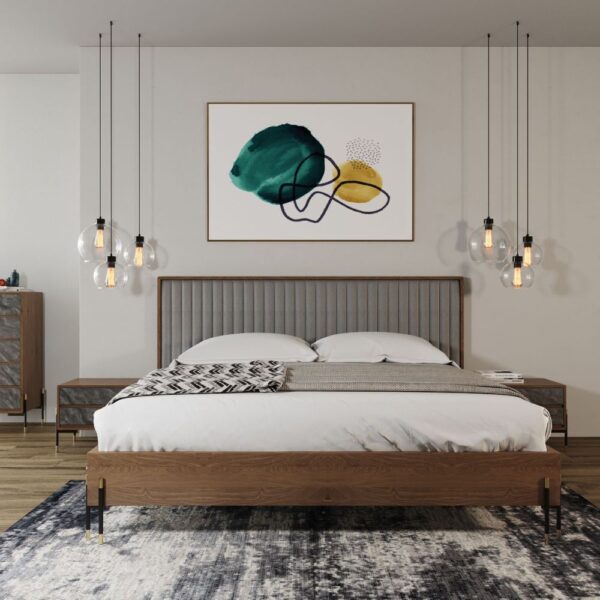
Once the focal point is set, tie everything together with repetition. This is the glue that prevents your mix from seeming scattered and assures certain cohesion.
Repeat one or two ideas or design elements: a material, a finish, or a color across various other pieces. For example, when your dresser has bronze handles, carry the same finish into your lighting and mirror frame. And when your bedding is gray, echo the color in the legs of your nightstands. These repeated touches act like invisible threads that create the entire room into a single, unified whole.
Step 9: Layer in Décor and Textures
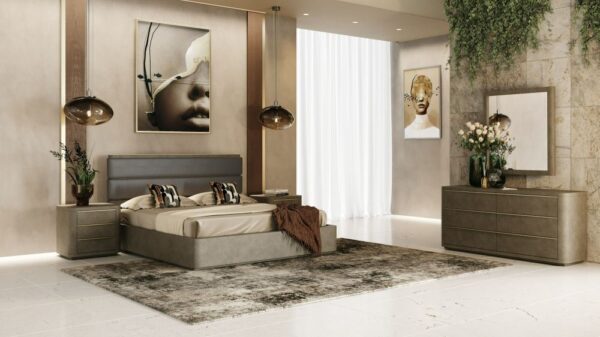
Once the main furniture is in place, personality is added to a room through its décor and textures. This is the moment you add warmth to make the room feel personalized.
Begin with the larger items first: area rugs, curtains, and bedding. Then, move on to the smaller details, such as decorative throw pillows and blankets, wall art, and lighting.
Mixing textures, like a fluffy wool rug and slick dresser, or embroidered linen curtains and polished nightstand, adds character. These layers provide comfort and reinforce the style and color palette you have chosen.
Step 10: Edit and Simplify
Finally, take a step back and evaluate the entire room. Mixing and matching works only if the result feels intentional, not crowded.
Remove any unnecessary pieces that make the room look busy. Ensure there is breathing room between items so the space feels open and calm. Do not strive for perfect matches. Accept the curated differences you created along the way. When the room feels balanced, functional, and stylish, you’ll know your mix-and-match approach has succeeded.
Where Can You Buy Bedroom Furniture for Mixing and Matching?
You can buy luxury bedroom furniture for mixing and matching at several reliable places. High-end department stores carry a curated selection of designer furniture brands. You find pieces from different collections at these stores. Everything is available for comparison and combination. The best part is that you can see and feel the items in person.
Established independent luxury retailers focus purely on top-end home goods. For exclusive pieces, showrooms stock items that have been imported from Europe or custom-made pieces. The staff there understands design and helps you combine different finishes and styles into a cohesive, unified room.
You also find excellent options online. Exclusive luxury e-commerce sites feature wide catalogs from dozens of premium furniture makers. These sites show high-resolution photos and provide detailed specifications about materials, finishes, and dimensions. Ensure that any online retailer you choose offers full-service delivery as well as a clear return policy for large furniture items. These services protect your investment.
Finding the right mix requires a huge selection of quality pieces. The LA Furniture Store is a great place to start your search. The company offers a whole range of bedroom furniture, ideal for mixing and matching. You will find everything from sleek beds that are your foundation to very practical dressers and chests for storage. The collection also features glamorous nightstands and side tables, completing the look of a rich custom bedroom with decorative floor and wall mirrors.
FAQs About Mix and Matching Bedroom Furniture
Is it outdated to buy complete matching bedroom sets?
Yes, it is outdated to buy complete matching bedroom sets. Designers now mix and match pieces for a curated, personal look. Matching sets look polished, but lack character and feel showroom-like. A cohesive yet varied bedroom sets approach adds depth, warmth, and individuality. However, matching still works if chosen intentionally for specific styles.
Can you mix furniture from different design eras?
Yes, you can mix furniture from different design eras to create a unique, layered, and expressive style. The key is to balance scale, proportion, and color while repeating elements, such as materials or finishes, across pieces. Mixing eras avoids a “catalog look,” adds personality, and helps showcase both contemporary function and vintage charm in the same space.
How many colors should you use in a bedroom furniture scheme?
You should use three colors in a bedroom furniture scheme for balance and flow. Following the 60-30-10 rule, use a dominant shade for 60% of the room, a secondary tone for 30%, and an accent for 10%. This approach maintains visual interest without overwhelming the space, thereby creating harmony between the furniture and décor.
Should the wall paint match or contrast with your bedroom furniture mix?
Wall paint should contrast with your bedroom furniture mix to provide visual depth and highlight key pieces. A contrasting shade allows each piece of furniture to stand out while still feeling balanced by those shared touches through carpets, beddings, and artworks. This approach avoids a flat look and adds energy and character to the space.
What’s the difference between matching and coordinating furniture?
The difference between matching and coordinating furniture is simple. Matching means you buy everything from the same collection. All pieces share the same finish and style. Coordinating means selecting different pieces that share a common element. This shared element is a color, a material, or a hardware finish. Coordination gives you a customized, intentional designer feel.
How do you avoid the room looking too eclectic or messy?
You can avoid the room looking too eclectic or messy by using a strict plan. Establish one dominant style and one cohesive color palette first. Repeat a specific material, such as brass or walnut wood, across three different items. This repetition acts like glue. It ties all your varied pieces together into one sophisticated look.
What styles naturally complement each other when mixed?
Styles that naturally complement each other when mixed are modern and mid-century, and farmhouse and industrial. Modern and mid-century both use clean, unfussy lines and simplified forms. Farmhouse and industrial both feature rugged, rustic woods and raw metals, creating a nice contrast. These thoughtful pairings make mixing different pieces easy and successful for a put-together look.
How can small bedrooms achieve a mix-and-match look without feeling cluttered?
Small bedrooms can achieve a mix-and-match look without feeling cluttered by selecting the right scale. Select fewer, larger pieces instead of many small ones. Use furniture with tall, visible legs to create the illusion of more floor space. This creates an airy feeling. Stick to a light color palette to make the walls visually recede and prevent the room from feeling heavy.
Do upholstered beds work with wooden dressers?
Yes, upholstered beds work well with wooden dressers. This is a perfect example of mixing materials. The soft fabric of the upholstered beds provides a cozy, tactile contrast. The hardwood of the dresser adds a grounding, stable element. You tie the two together by repeating the fabric color in a small accent pillow on the dresser.
Can you mix antique furniture with modern pieces?
Yes, you can mix antique furniture with modern pieces to create a stylish, eclectic look. You create a focal point with a detailed antique piece, like a tall chest. You pair it with very simple, clean-lined modern nightstands. This sharp contrast between old and new feels very intentional and sophisticated.
