


Small tables play a big role in home design. They may look simple, but they change the way a room feels and works. Two of the most common small tables are end tables and nightstands. At first glance, they look alike. Both are small, both hold lamps or books, and both sit close to where you relax. Still, they are not the same. Each piece has its own purpose and works best in certain spaces.
An end table is usually placed in the living room, right next to a sofa or a chair. It gives you a spot to set down a drink, keep the TV remote close, or add a touch of style with décor. A nightstand, on the other hand, belongs beside the bed. It keeps your lamp, alarm clock, and personal items within easy reach while also offering storage in drawers or shelves. Knowing these differences helps you pick the right table for each room.
In this blog, you will explore what makes end tables and nightstands unique, how they compare, and tips to choose between them. You will also see how style and function come together in modern designs. LA Furniture Store offers a wide range of modern and Italian-inspired end tables and nightstands that blend beauty, storage, and everyday use for today’s homes.

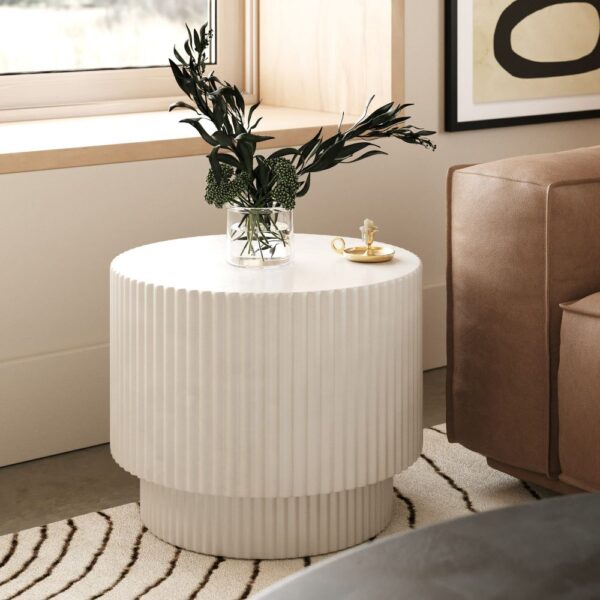
An end table is a small table that sits beside a sofa, armchair, or sectional. It acts as a handy spot to place things you want close by while relaxing. Many people use it for drinks, snacks, or the TV remote. It also works as a base for décor pieces like lamps, books, or small plants. Even though it looks small, it makes your living room more practical and stylish.
Key Features of End Tables
- Small and compact, it fits beside seating.
- Flat surface for lamps, books, or drinks.
- It can include drawers, shelves, or cabinets for storage.
- Available in modern, classic, or mixed styles.
Best Places to Use an End Table
- Next to a sofa in the living room.
- Beside an accent chair in a reading corner.
- Between two chairs to share the space.
- At the end of a hallway, to hold décor.
Styles and Designs for Modern Living Rooms
Modern end tables often mix materials like glass, wood, and metal, giving them both strength and style. Sleek lines give them a contemporary style, but strong colours, shiny finishes, or textured details help them shine out as showstoppers. While some have drawers, shelves, or concealed storage for more utility, some stay basic with only a flat top, great for lamps or tiny decor.
What makes modern end tables special is their balance between beauty and practicality. A glass-topped table can open up a small room, making it feel airy, while a solid wood table brings warmth and character. Metal accents give a touch of sophistication that goes well in both modern and industrial or professional spaces. Whether you prefer something subtle that blends into the background or a striking design that becomes the centerpiece, there is an end table style to match your home.
What Is a Nightstand?
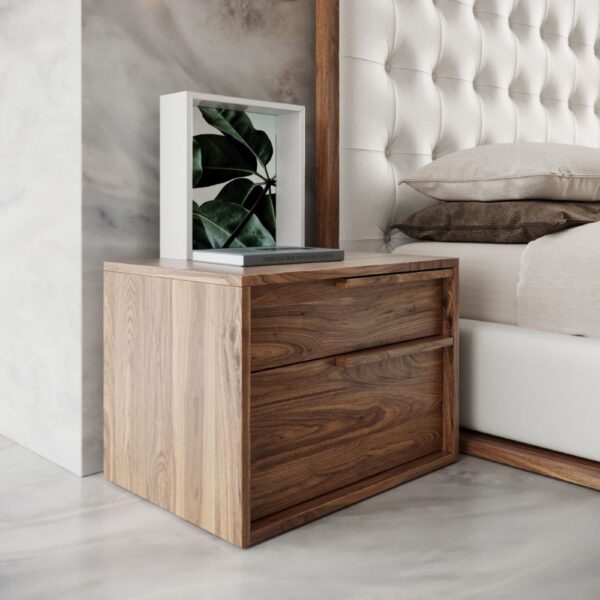
A nightstand is a small table placed next to a bed. It is one of the most important pieces in a bedroom because it keeps all your nighttime essentials within easy reach. You can use it to hold a lamp, an alarm clock, a phone, or even a glass of water. Most nightstands also come with drawers or shelves, giving you space to store books, glasses, or personal items. This makes the bedroom both tidy and practical.
Key Features of Nightstands
- Placed beside the bed for easy reach.
- Flat surface for lamps, clocks, or personal items.
- Drawers or shelves for extra storage.
- Designed to match bedroom furniture like beds and dressers.
Best Places to Use a Nightstand
- On one or both sides of the bed.
- In the guest rooms, there is a convenient spot for visitors.
- In small bedrooms where every inch of storage counts.
- Even in kids’ rooms, for books, lamps, and small items.
Styles and Designs for Modern Bedrooms
Modern nightstands come in different shapes, sizes, and finishes, making them easy to match with any bedroom style. Open shelving on some nightstands is clean and basic; ideal for storing items like books or alarm clocks close at hand. Others feature rich materials like wood, metal, or glass that add both durability and a touch of elegance.
Color plays an important role in how a nightstand changes the feel of a room. White or light-colored designs create a calm, airy look that makes the space feel bigger and brighter, while darker tones like walnut, espresso, or black add warmth, depth, and a more dramatic touch. Many modern options also mix materials, such as wood with metal handles or glass tops, to bring in an extra layer of style.
End Table vs. Nightstand: What Is the Difference?
At first glance, end tables and nightstands can look almost the same. Both are small, functional tables designed to hold everyday items like lamps, books, or decorative pieces. But when you look closely, the differences become clear. Each piece of furniture is created for a specific setting in your home, and knowing these details makes it easier to choose the right one.
-
Design Features
End Tables often come in a wide range of shapes and styles. Some have open shelves, glass tops, or simple designs with no storage at all. Nightstands are more functional, often featuring drawers or cabinets to conceal clutter. This makes them perfect for storing personal items you don’t want on display.
-
Function
End Tables work as accent pieces that bring style to the living room. They are flexible and can even be moved around to fit different layouts. Nightstands are designed for convenience and privacy. They’re not just about looks but about keeping daily items close at hand during bedtime and mornings.
-
Placement
End Tables usually live in the living room. You’ll find them next to sofas, recliners, or accent chairs. While you unwind, they serve as a place for storing beverages, remotes, or munchies. The bedroom is where nightstands belong. They are kept close to the bed and let you reach things like phones, glasses, or alarm clocks.
-
Style and Aesthetic
End Tables tend to lean toward decorative appeal. You’ll see bold finishes, artistic designs, or playful shapes meant to enhance your living room décor. Nightstands are often part of a bedroom set, matching your bed frame and dresser to create a coordinated, calming look.
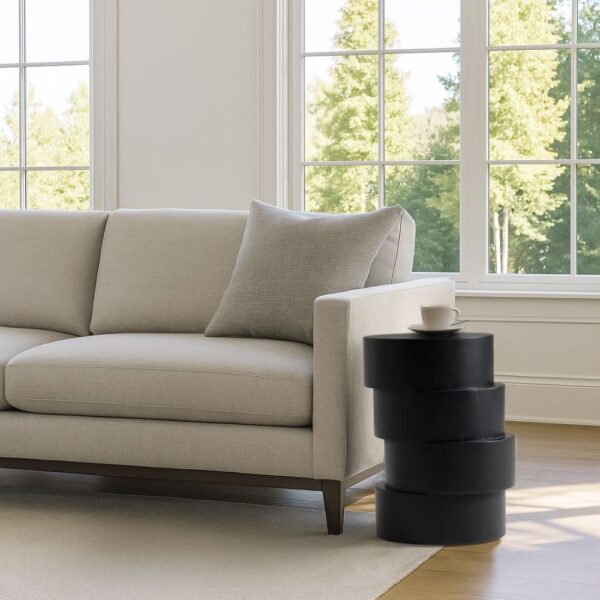
In simple terms, an end table serves as a stylish assistant in your living room, while a nightstand is a bedside partner designed for function and storage. Both are important, but they shine best in their own spaces.
How to Choose Between an End Table and a Nightstand?
To choose between an end table and a nightstand, you must consider factors like room placement, storage needs, style preference, and flexibility. End tables and nightstands might seem similar at first, but they have quite different uses in a house. Though their appearance and use distinguish them, both items are tiny, useful, and fashionable. Picking the right one depends on where you plan to use it, how much storage you want, and the style you’re aiming for. When chosen thoughtfully, these tables not only improve how your space works but also add character to your room.
To choose between an end table and a nightstand, you must consider factors like:
Room Placement
Room placement is the first thing to think about when you are buying new furniture. End tables are designed for living rooms or lounges, where they sit neatly beside sofas or chairs. They make it easy to set down drinks, display décor, or keep a lamp close by for reading. Conversely, nightstands belong in bedrooms. They keep close by your bed, holding things you might need at night, like a phone, a glass of water, or an alarm clock. Selecting the appropriate table for the proper room helps to maintain both the utility and the elegance of your area.
Storage Needs
Storage is another big factor. End tables usually focus on style over storage. Though some have a shelf, their tops are frequently flat, and they lack much secret storage. Designed for function, nightstands frequently have one, two, or even three drawers. This additional space enables them to be ideal for neatly storing daily necessities like chargers, glasses, or books while also maintaining a clutter-free environment in your bedroom. If you appreciate storage, nightstands are the clear winner here.

Style Preferences
Style is equally crucial. Depending on the layout of your living room, end tables can be either bold, artistic, or minimal. Their design lets them complement or contrast your furniture and decor. On the other hand, nightstands usually fit with bedroom furniture sets, which makes the room look more put-together and peaceful. While end tables lean more toward variety, nightstands give your bedroom harmony.
Flexibility
Flexibility is where end tables shine. You can easily move them around, use them in different rooms, or even repurpose them as plant stands or accent pieces. They adapt to your needs. Nightstands are more fixed in their purpose, but what they lack in flexibility, they make up for in practicality. They’re specifically built for bedrooms, ensuring comfort and convenience where you need it most.
What Are the Key Features of End Tables and Nightstands?
Both end tables and nightstands share a similar shape and size, yet their features make them unique. Knowing what sets them apart helps you choose the right one for your space. From design details to everyday function, each piece has its own charm and purpose.
| Feature | End Tables | Nightstands |
|---|---|---|
| Primary Use | Living rooms, next to sofas or chairs | Bedrooms, next to beds |
| Storage | Usually open, little to no storage | Often include drawers or cabinets |
| Design Focus | Style, décor, and versatility | Function, storage, and practicality |
| Size | Compact, varied heights | Typically lower to align with bed height |
| Surface Space | For lamps, books, drinks, or décor | For lamps, alarm clocks, phones, or décor |
| Placement | Anywhere in the home | Mostly paired with beds |
| Style Options | Wide range: modern, rustic, minimalist | Often sold as part of bedroom furniture sets |
The table makes it easy to see the difference between end tables and nightstands. End tables shine in living rooms as stylish accents, while nightstands serve the bedroom with storage and function. Both pieces play important roles, and choosing the right one depends on where you place it and how you plan to use it.
Where to Buy the Best End Tables and Nightstands?
To buy the best end tables and nightstands, visit professional furniture stores like LA Furniture Store. Selecting furniture for your house depends much on the store you choose to shop at. Durable and fashionable items accomplish more than just occupy a location; they transform the impression of your room. A well-made table provides functionality while also serving as a design feature that complements your style.
End tables and nightstands are more than furniture pieces with surfaces. The right ones provide balance, storage, and charm. Choosing quality means enjoying pieces that last through daily use while retaining their beauty and elegance. A good table can make your living room feel complete or your bedroom feel restful and organized.
If you want a perfect furniture set for your home, LA Furniture Store offers a wide collection of modern and Italian-inspired end tables and nightstands. Every piece is designed with quality and lasting appeal in mind. With styles that range from sleek minimal to bold statement designs, LA Furniture Store gives you furniture that combines function and elegance.
FAQs
What is the purpose of an end table?
The purpose of an end table is to provide surface space next to sofas or chairs. It holds items like lamps, drinks, books, or décor, keeping them within easy reach. End tables also add balance and style to the living room.
How is a nightstand different from an end table?
A nightstand is typically designed for the bedroom and is usually placed beside the bed. It often includes drawers or storage, making it practical for personal items. End tables are more open and used in living rooms as accent pieces.
Can you use end tables as nightstands?
Yes, you can use end tables as nightstands in many bedroom furniture settings. Their height and surface space make them useful next to a bed. Adding storage baskets or trays can help make them more functional for bedside needs.
What is the standard size of an end table?
The standard size of an end table is about 22 to 30 inches tall. This height lines up well with most sofas and chairs. The tabletop usually measures 18 to 24 inches wide, making it compact yet practical.
How tall should a nightstand be compared to a bed?
A nightstand should be the same height as the top of your mattress or slightly taller. This makes it easy to reach for items without straining. A balanced height also creates a neat look in the bedroom.
What materials are best for end tables?
The best materials for end tables include wood, metal, glass, and stone. Wood brings warmth, metal adds a modern touch, and glass creates a lighter look. The right material depends on your style and how you use the table.
Are nightstands only for bedrooms?
No, nightstands are not only for bedrooms. They can also work in living rooms, entryways, or home offices as small storage pieces. Their compact size and drawers make them versatile beyond the bedroom.
Can nightstands and end tables match in design?
Yes, nightstands and end tables can match in design to create a cohesive look. Choosing similar materials or colors helps tie different rooms together. Matching pieces make the home feel more connected and stylish.
How do I style an end table in my living room?
To style an end table, place a lamp for lighting, add a small plant, and use a tray to organize items. Balance is key, so avoid crowding the surface. A mix of practical items and décor keeps it both useful and pretty.
Where can I buy modern end tables and nightstands?
You can buy modern end tables and nightstands at the LA Furniture Store. The brand offers stylish and durable designs with a focus on modern and Italian-inspired looks. Their collection helps bring both beauty and function into your home.
