


Furniture material determines comfort, durability, and style. LA Furniture Store carries pieces built from wood, metal, leather, fabric, and glass. Each material serves a different purpose in your home. This guide breaks down the options so you can choose the right one with confidence.
Why Furniture Material Matters
Material affects three things: how long furniture lasts, how it feels, and how it looks. A good material choice matches your lifestyle. Families with kids need durable fabric. Design lovers want a statement material. Buyers on a budget need affordable options that still perform well.
LA Furniture Store stocks pieces for every need. Below, we cover the most common materials and where they work best.
1. Solid Wood Furniture
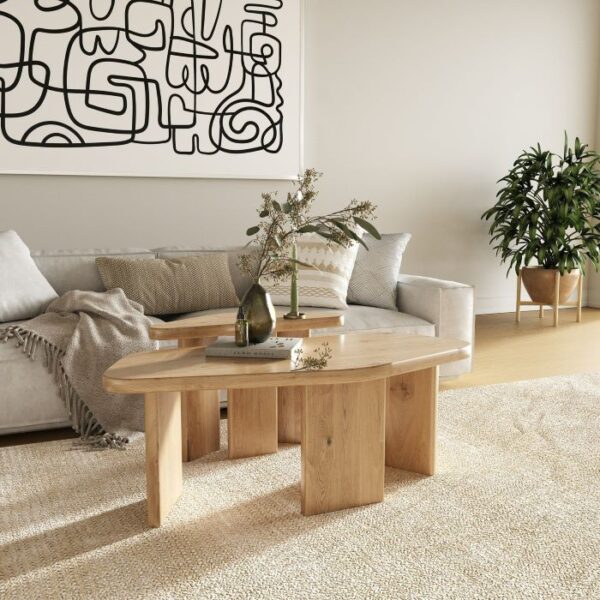
Solid wood is a classic choice. It offers strength, warmth, and long-term value. Wood furniture ages well. It can be refinished. It fits both traditional and modern homes.
Popular wood types:
- Oak: Hard, durable, and resistant to wear. Ideal for dining tables.
- Walnut: Rich, dark tone. Common in modern furniture design.
- Maple: Light color, tight grain. Used in cabinets and bed frames.
- Mahogany: Deep red-brown tone. Found in formal furniture pieces.
- Pine: Affordable and lightweight. Suited for casual furniture.
Best for: Dining tables, bed frames, bookshelves, and heirloom-quality pieces.
Care tip: Wood furniture needs occasional polishing. Direct sunlight can fade the finish over time.
2. Engineered Wood Furniture
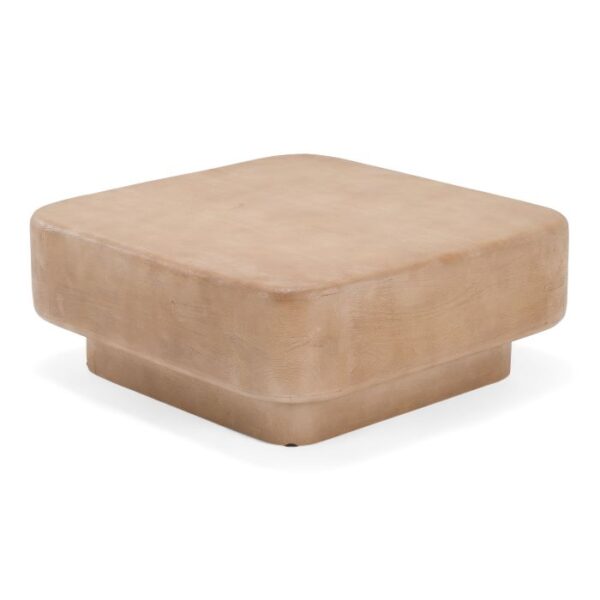
Engineered wood combines wood fibers with resin. This process creates a strong, stable material. Engineered wood resists warping better than solid wood in some cases. It also costs less.
Common types:
- MDF (Medium-Density Fiberboard): Smooth surface. Good for painted furniture.
- Plywood: Layered wood sheets. Strong and lightweight.
- Particleboard: Budget-friendly. Used in flat-pack furniture.
Best for: Bookshelves, TV stands, and furniture with painted or veneer finishes.
Care tip: Keep engineered wood away from standing water. Moisture can weaken the material.
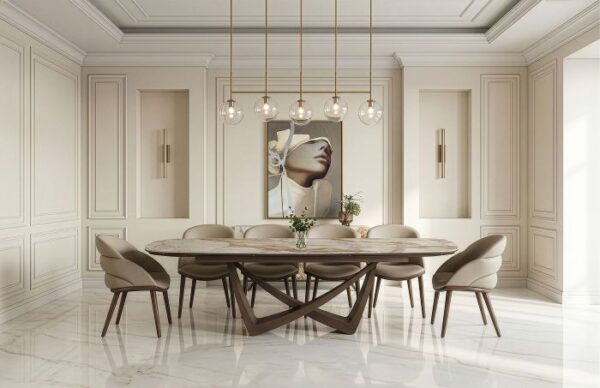
Metal furniture brings an industrial or contemporary look. Metal frames are strong. They support heavy weight. Metal furniture often pairs with wood or glass accents.
Common metals:
- Iron: Heavy and sturdy. Used in outdoor and accent furniture.
- Steel: Strong and rust-resistant when treated. Found in bed frames and shelving.
- Aluminum: Lightweight and corrosion-resistant. Common in patio furniture.
- Brass: Decorative finish. Used in legs, handles, and accents.
Best for: Bar stools, bed frames, outdoor furniture, and accent tables.
Care tip: Wipe metal surfaces with a dry cloth. Avoid abrasive cleaners that scratch the finish.
4. Leather Furniture
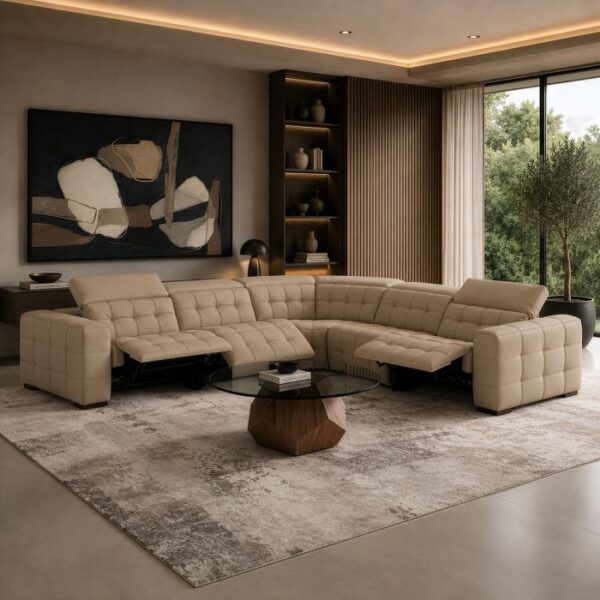
Leather is a premium material. It develops character over time. Leather furniture signals comfort and luxury. It works in living rooms, home offices, and media rooms.
Types of leather:
- Full-grain leather: Highest quality. Shows natural markings. Ages beautifully.
- Top-grain leather: Sanded and treated. Smoother surface than full-grain.
- Bonded leather: Leather scraps bonded together. Budget-friendly option.
- Faux leather: Synthetic material. Mimics real leather at a lower price.
Best for: Sofas, sectionals, recliners, and accent chairs.
Care tip: Condition leather every 6 to 12 months. This prevents cracking and keeps it soft.
5. Fabric Furniture
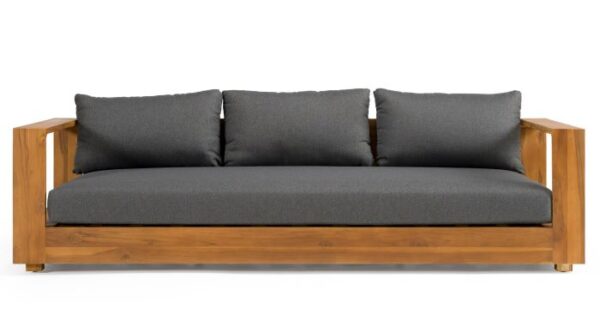
Fabric upholstery offers the widest range of colors and textures. Fabric furniture feels soft and casual. It suits family rooms and homes with children or pets.
Popular fabric types:
- Linen: Breathable and lightweight. Best for low-traffic rooms.
- Cotton: Soft and versatile. Common in casual furniture.
- Velvet::Plush texture. Adds a luxurious look to any room.
- Performance fabric: Stain-resistant and durable. Built for daily use.
- Chenille: Soft, textured weave. Comfortable and cozy.
Best for: Sofas, sectionals, accent chairs, and family-friendly living rooms.
Care tip: Vacuum fabric furniture weekly. Treat spills immediately to avoid stains.
6. Glass and Marble Accents
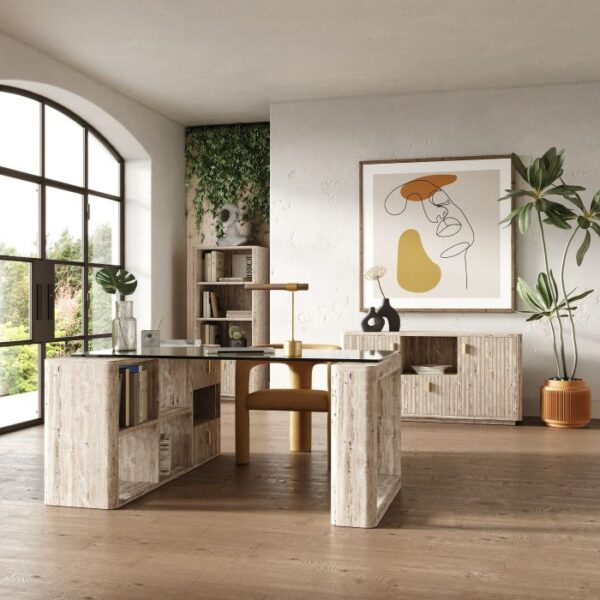
Glass and marble add elegance. These materials often appear as tabletops or accent pieces. They pair well with wood and metal bases.
- Glass: Reflects light. Makes small spaces feel open. Common in coffee tables and dining tables.
- Marble: Natural stone. Each piece has unique veining. Used in dining tables and console tops.
Best for: Coffee tables, dining tables, and console tables.
Care tip: Clean glass with a streak-free cleaner. Seal marble surfaces to prevent staining.
How to Choose the Right Furniture Material
Follow these 5 steps to match material to your needs:
- Identify the room’s purpose: High-traffic rooms need durable materials like performance fabric or engineered wood.
- Consider your household: Homes with kids or pets benefit from stain-resistant fabric and sturdy metal frames.
- Set a budget: Solid wood and full-grain leather cost more. Engineered wood and faux leather offer savings.
- Match your style: Modern homes often use metal and glass. Traditional homes favor solid wood and leather.
- Check maintenance needs: Some materials need regular care. Others require minimal upkeep.
LA Furniture Store offers furniture in every material category. Our team helps customers match material to lifestyle, budget, and design goals.
How to Choose the Right Furniture Material
Frequently Asked Questions
1. What is the most durable furniture material?
Solid wood is the most durable furniture material for long-term use. It resists daily wear and can be repaired or refinished over decades.
2. Is engineered wood good quality?
Yes, engineered wood is good quality for many furniture pieces. Engineered wood resists warping and cracking better than solid wood in humid conditions.
3. What furniture material is best for families with kids?
Performance fabric is the best furniture material for families with kids. Performance fabric resists stains and holds up under daily use.
4. How long does leather furniture last?
Leather furniture lasts 15 to 25 years with proper care. High-quality full-grain leather furniture often lasts even longer.
5. Is metal furniture good for outdoor use?
Yes, metal furniture is good for outdoor use, especially aluminum and treated steel. Metal furniture resists rust and holds up in changing weather.
6. What is the difference between top-grain and full-grain leather?
The difference between top-grain and full-grain leather is the surface treatment. Full-grain leather keeps natural markings, while top-grain leather is sanded for a smoother finish.
7. How do I choose furniture material for a small space?
Choose furniture material for a small space based on light and scale. Glass and light-colored wood keep a small space feeling open and airy.
